Captain Harry Warner moved to Hayling Island in 1928 and established the popular Grotto Cafe which was located on the seafront just east of the Grand Hotel. In 1932 he opened Northney holiday camp in the north end of the island.
Billy Butlin had become interested in the holiday camp business and paid a visit to the island where he struck up a friendship with Warner. The two decided to go into business together and built three camps under a 50/50 partnership – Seaton (1934), Dovercourt (1937) and Puckpool (1939). In addition, Butlin also opened his own camps at Skegness (1936) and Clacton (1938).
The Warners company went public in 1939 with Butlin acting as Chairman. After the war Butlin decided to step away so he could focus more on his own growing empire. Over the years Butlins sold off most of their Warner shares but retained a 10% stake right up until the company was sold in 1981.
Puckpool Holiday Camp
Puckpool House on the Isle of Wight dated back to the early 1700s and was set within 16 acres of grounds that sloped gently down towards the sea. After being purchased by the partnership of Warner and Butlin, and following an investment of £60,000, it was transformed into Warner’s Puckpool Holiday Camp, which officially opened on 7 July 1939. The ground floor of the manor was converted into the ‘Blue Lady’ café and the ‘Tudor Rose’ bar, while the ten bedrooms upstairs were reserved as staff accommodation, exclusively for women.

The chalets were constructed from brick and consisted of nothing more than a bedroom and a sink. Communal bath/toilet blocks were dotted around the site. Meals were served in a large dining room housed within a 32,000-square-foot entertainment building, which also featured a dance hall, concert hall, and billiard room. A 100 ft by 50 ft outdoor swimming pool was built. The camp had the capacity to accommodate 500 guests and was staffed by a team of 120.


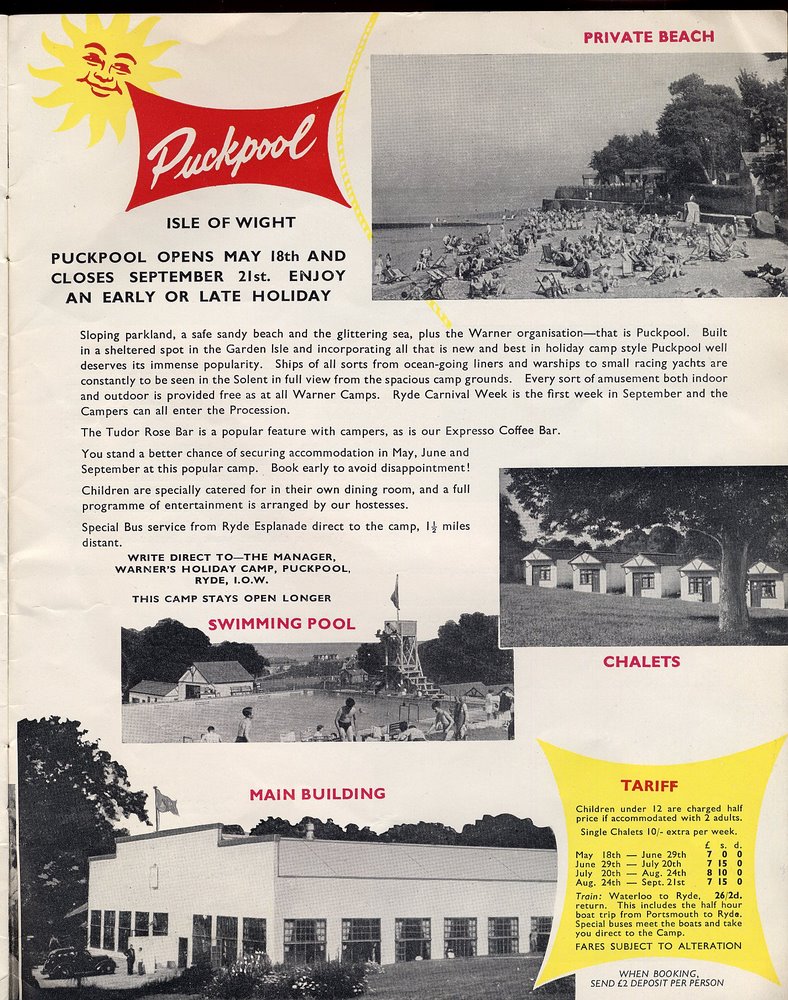

It was requisitioned during the war and became known as HMS Medina. It reopened again in 1946. In 1950 you could even fly to the camp!

St Clare Holiday Camp
Around 1950 Warners took out a lease on the adjoining grounds of St Clare Castle. It wasn’t a real castle but a 40-room manor house built in 1793. Queen Victoria and Prince Albert once paid a visit to the estate. The property was owned by Major Vernon Harcourt who had moved out and was now living elsewhere.
Rather than enlarging Puckpool, Warner’s decided to create an entirely new camp with its own distinct identity. Named St Clare, it reflected the company’s “small and friendly” philosophy, preferring two modest-sized camps over a single large one. The St Clare camp opened to holidaymakers in 1952, though the castle itself remained unused and stood largely empty.


In 1954 a large wing of the castle was destroyed by fire with fireman pumping water out of the camp swimming pool and managing to save about half of it. The derelict ruins remained standing until being demolished in 1960.

Both camps had great views looking out across the Solent and sailing schedules were posted showing when some of the big ocean liners would be passing by including the Queen Elizabeth and Queen Mary.


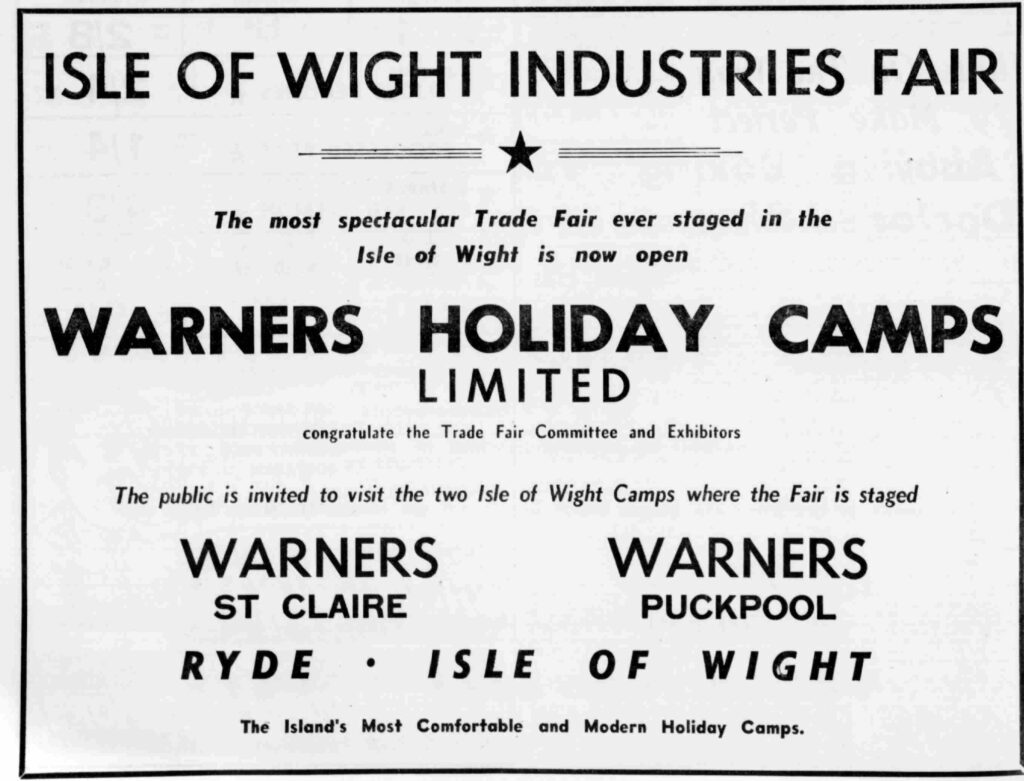
Some of the old 1930s chalets were later retrofitted with bathrooms and second bedrooms. In 1972 Puckpool was featured in the cult movie ‘That’ll Be The Day’ starring Ringo Starr and David Essex.


During the 1980s some of older chalets at Puckpool were replaced by modern two-story Ambassador apartments. In 1989 a new £2 million indoor swimming pool complex was built at St Clare. By this time, guests could freely move between the two camps. Both retained their full board status with most chalets still being ‘motel-style’ with no kitchens or dining rooms. A few static caravans were later installed for those wanting self-catering.


In 1990 Warner’s parent company was acquired by Rank (owners of Butlin’s and Haven) so the two camps were rebranded under the Haven name. In 1992 they were merged together and renamed Harcourt Sands.


In 1999, Rank sold the camp – along with Lyme Bay and Mill Rythe – to Renowned Holidays of New Barnet, as part of a move away from full-board operations towards self-catering sites. Although Renowned kept the camp running, it was a continual loss maker and eventually closed its doors at the end of 2006.
Puckpool House, which had become quite dilapidated, was subsequently sold and later restored, and is now a Grade I listed private residence. Meanwhile, the rest of the camp was left abandoned and neglected and it soon became a popular spot for urban explorers.
In 2016, outline planning permission was granted for the construction of 128 houses and a 63-bed hotel. Demolition work soon began, but progress stalled when the developers withdrew from the project.

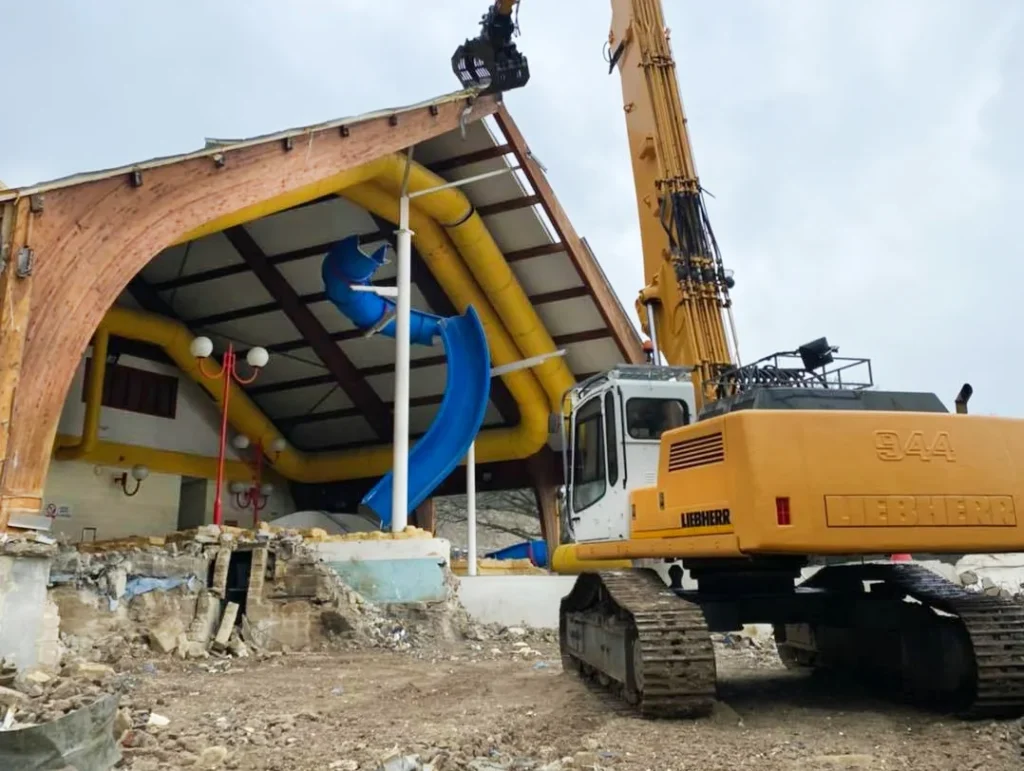
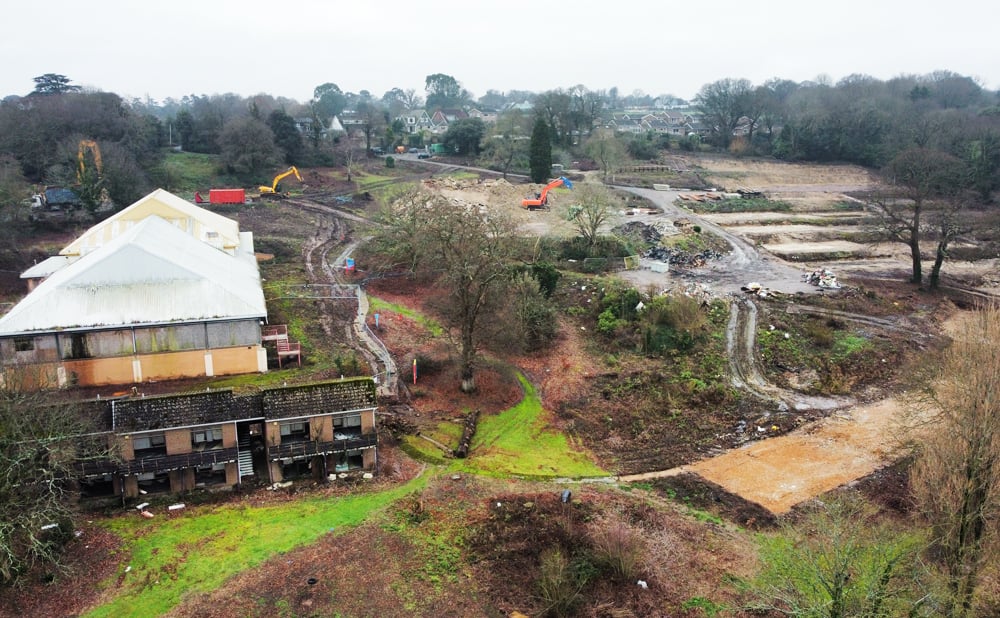
As of 2025, much of the St Clare side has been cleared, including the indoor pool complex, while on the Puckpool side the main entertainment building has been demolished, though a number of derelict chalets and other structures still stand. The final plans for its redevelopment still remain under discussion.
We’d love to hear your stories and memories of the camps. Please feel free to share your comments below.
