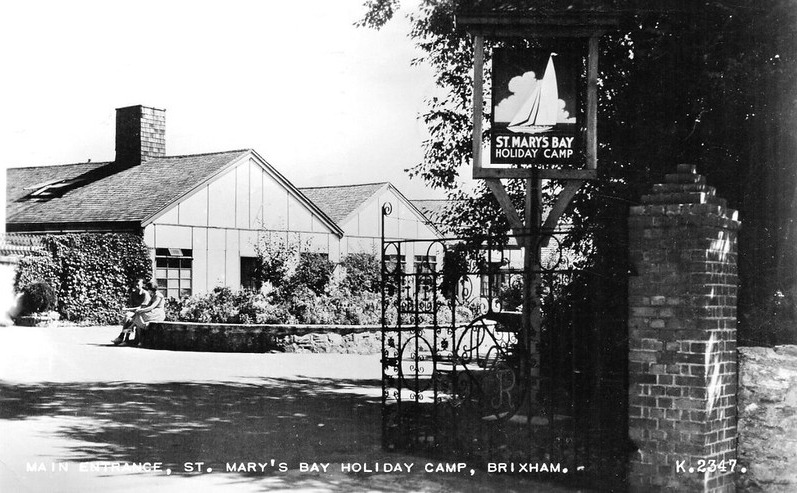
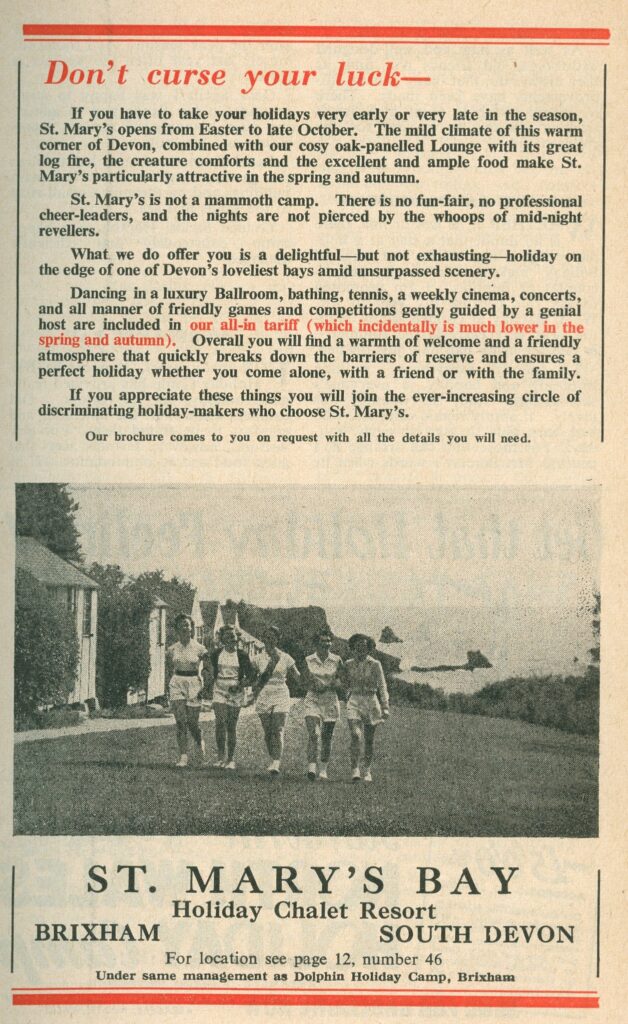
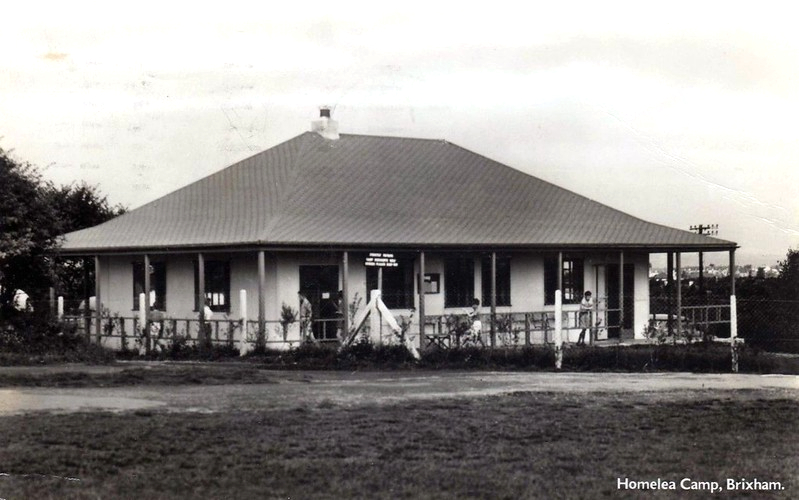
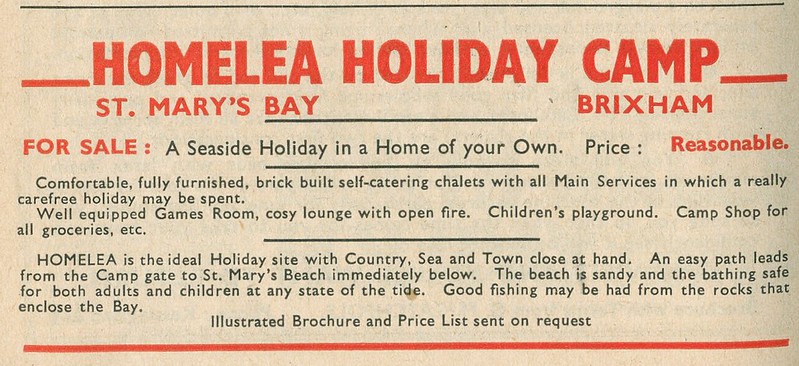
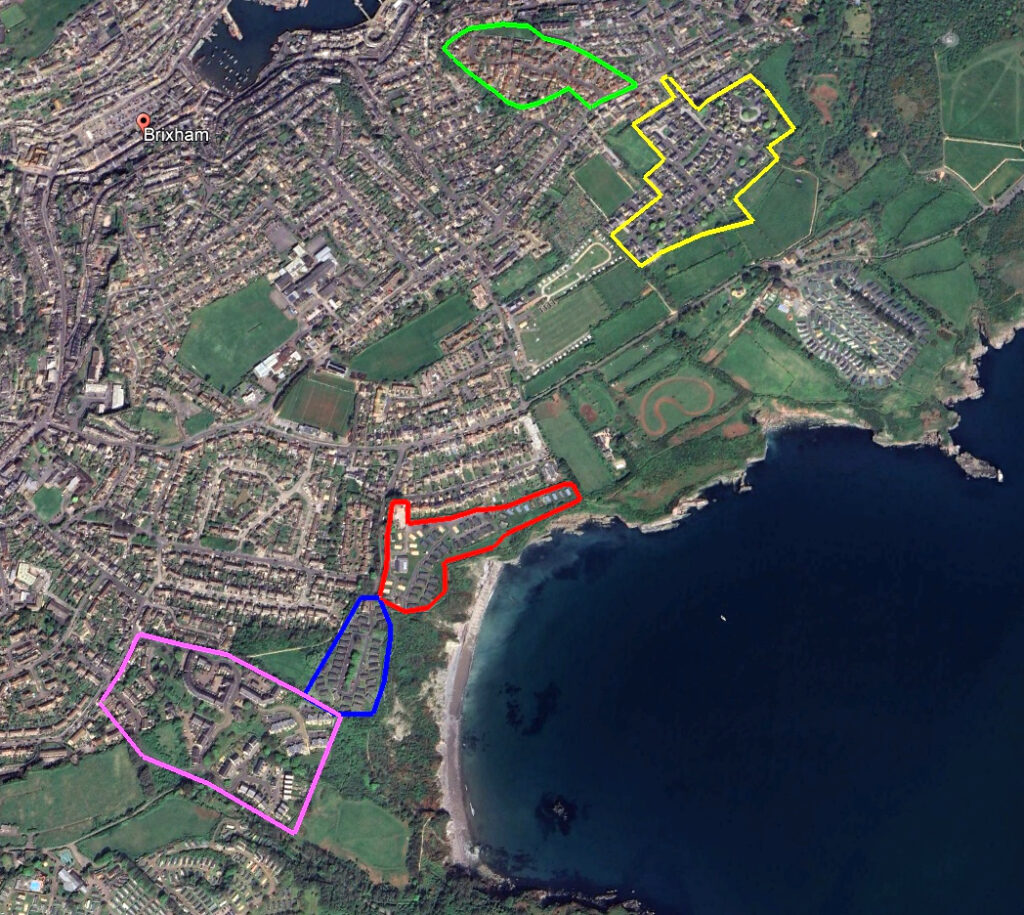
During the 1930s, a number of small holiday camps and camping sites sprang up around the Brixham area – much to the dismay of local residents, who feared they would lower the tone of the district and reduce property values. St Mary’s Bay and Homelea both opened in 1936, the latter founded by Wilfred Sutton.
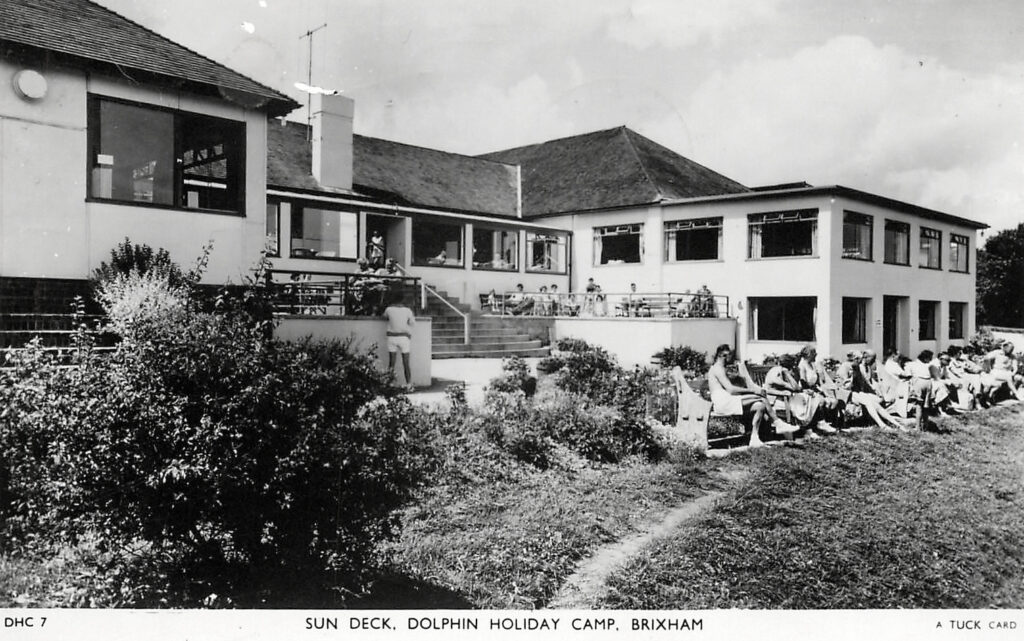
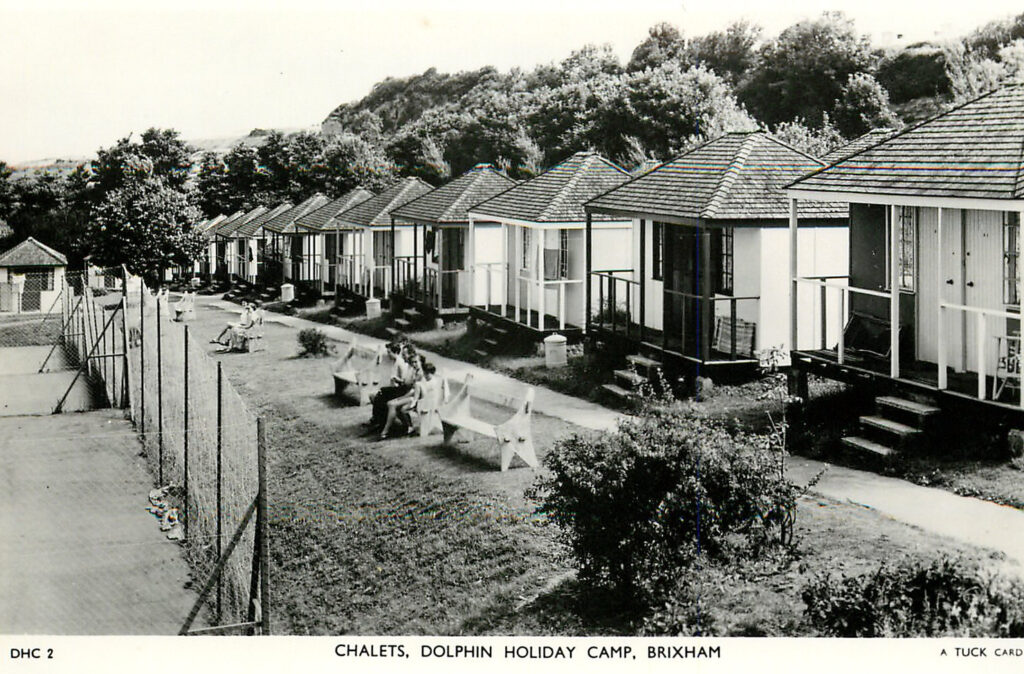
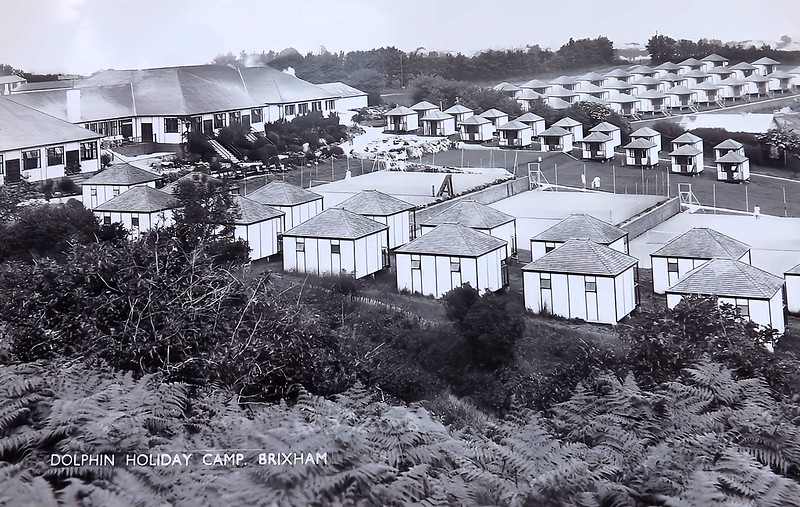
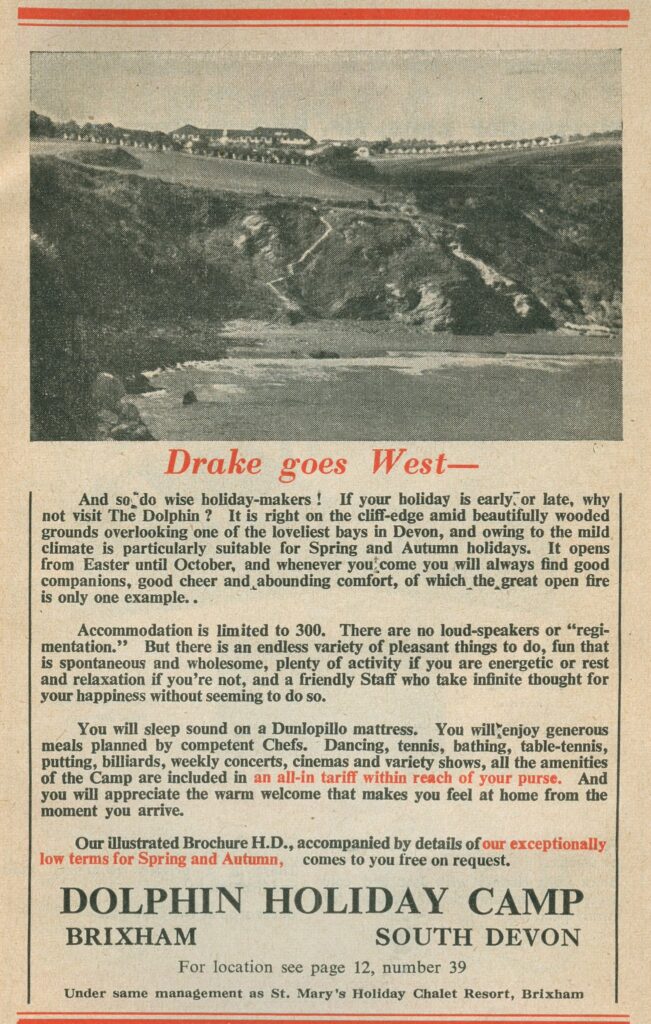
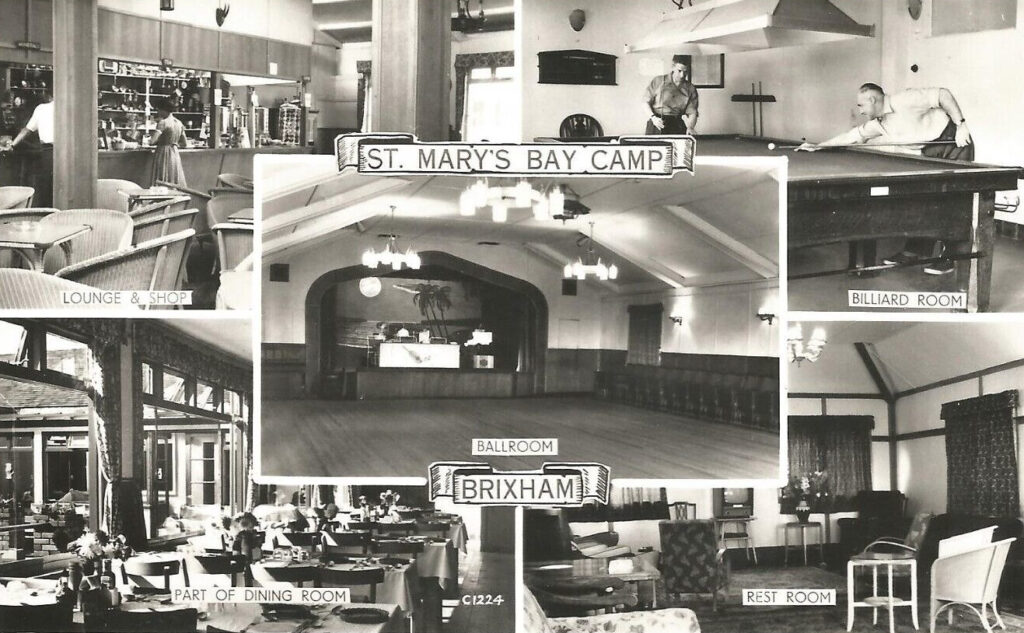
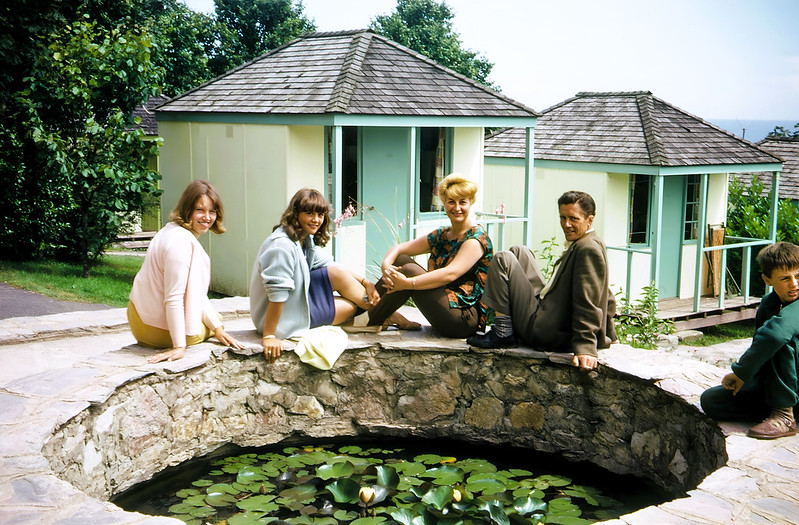
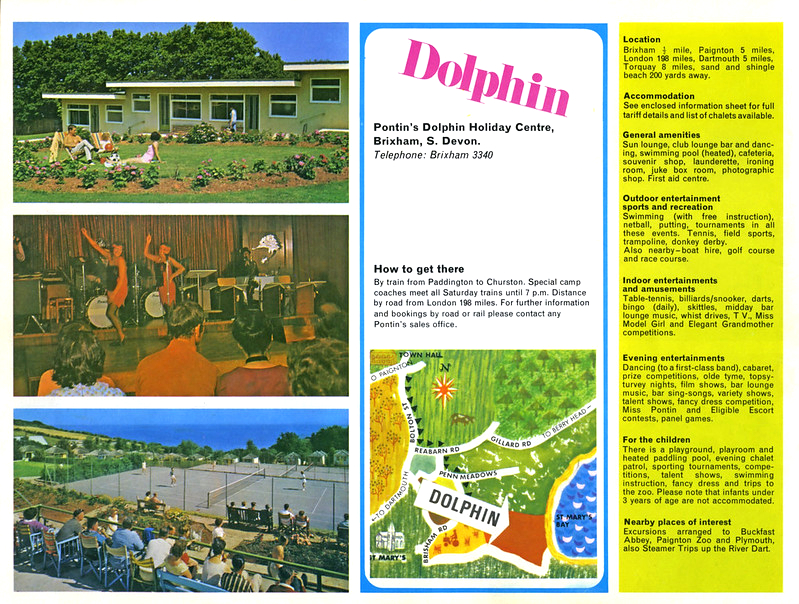
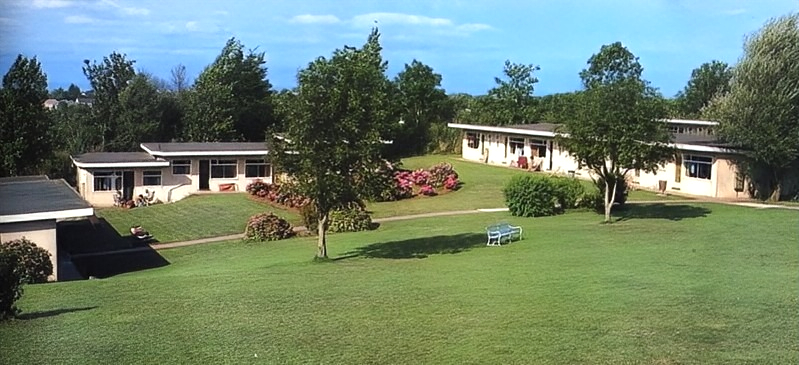
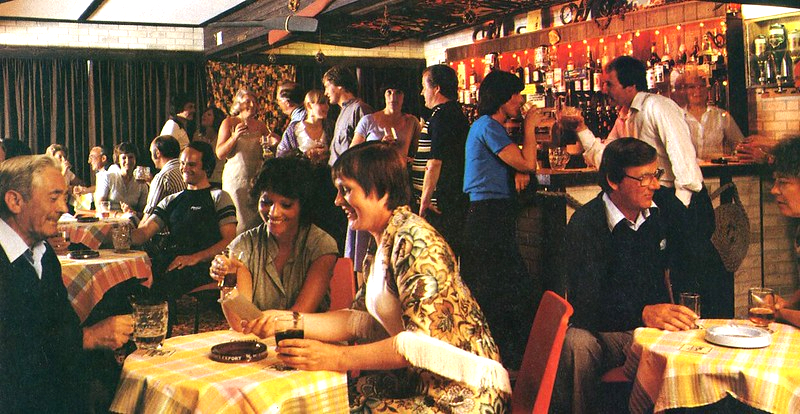
The Dolphin Holiday Camp followed in 1938 under the direction of Frederick Merritt, proudly billing itself as “the best camp in Devon.” Although larger than most of the other camps in the srea, it was still modest in scale compared to some of the sprawling holiday camps emerging elsewhere in the country. Guests were welcomed with “verandah chalets, first-class food, and a cosy oak-paneled lounge complete with open fire.” Entertainment was at the heart of the experience, with a games hall and ballroom, a resident orchestra, and an active programme that included bathing, tennis, table tennis, putting, billiards, and regular concerts = “a personal touch that will make your holiday perfect whether you come alone, with a friend, or with family.”
Like so many coastal camps, Dolphin was requisitioned during the Second World War, serving as accommodation for Canadian servicemen. It reopened in June 1946.
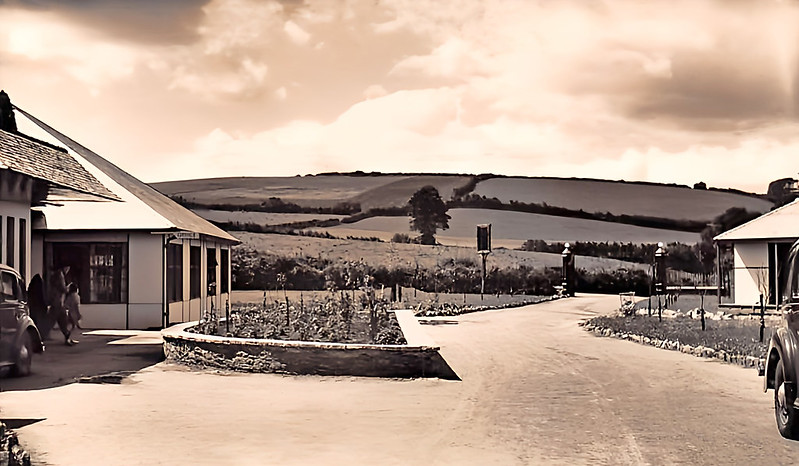
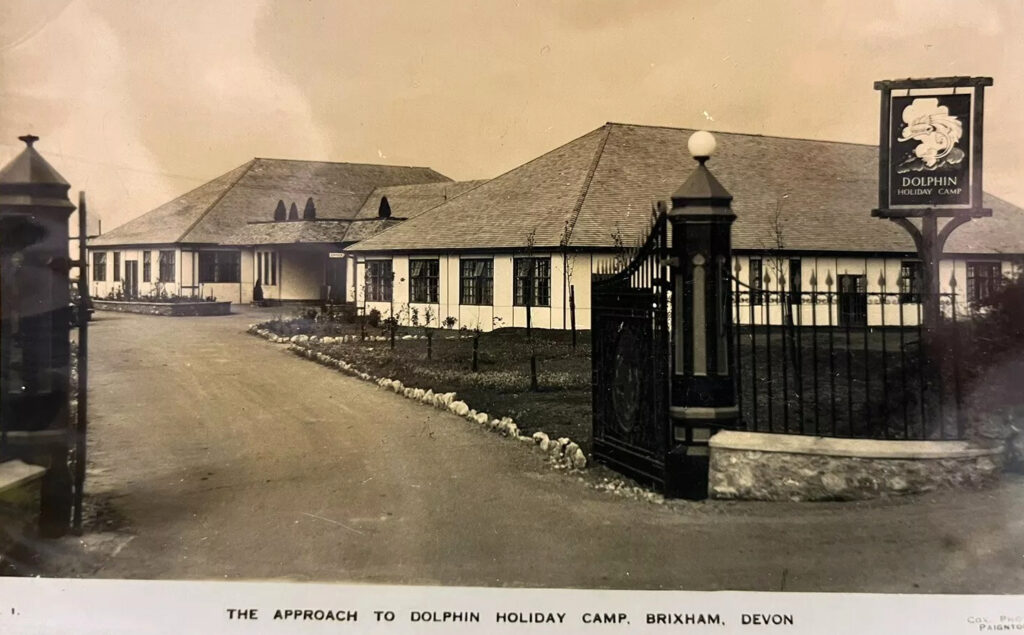
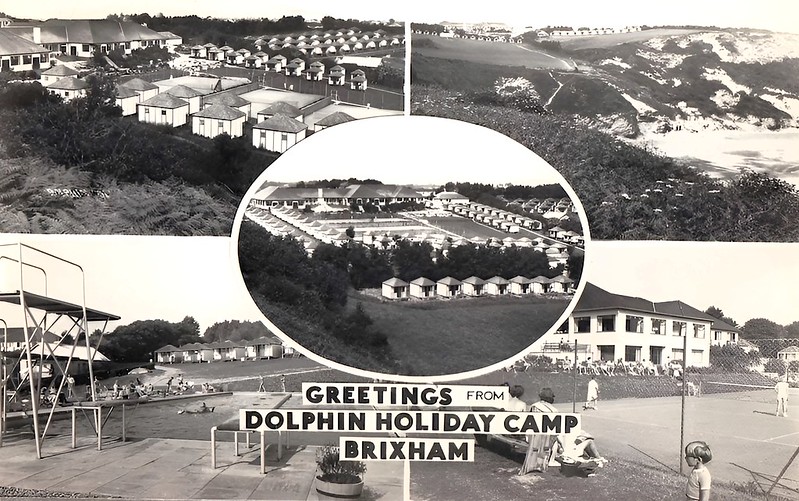

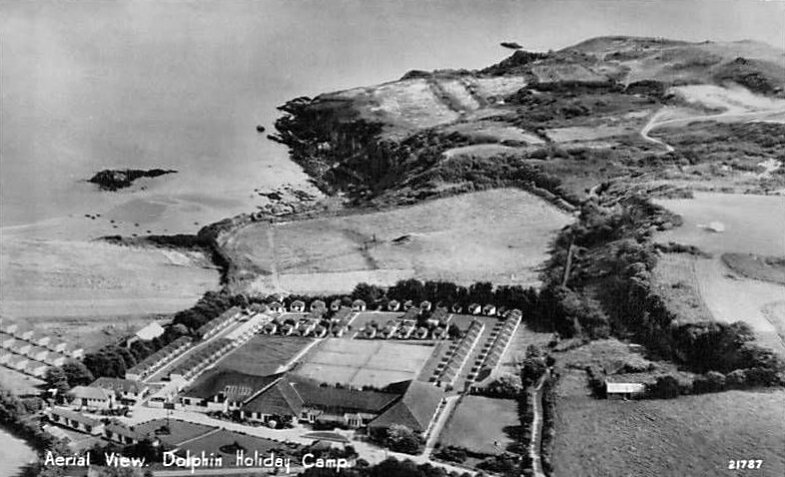
In 1948, the Dolphin company acquired the nearby St Mary’s Bay holiday camp. To raise funds for the purchase, the company went public, reporting a pre-tax profit of £26,000 that year and paying a dividend of 6%.
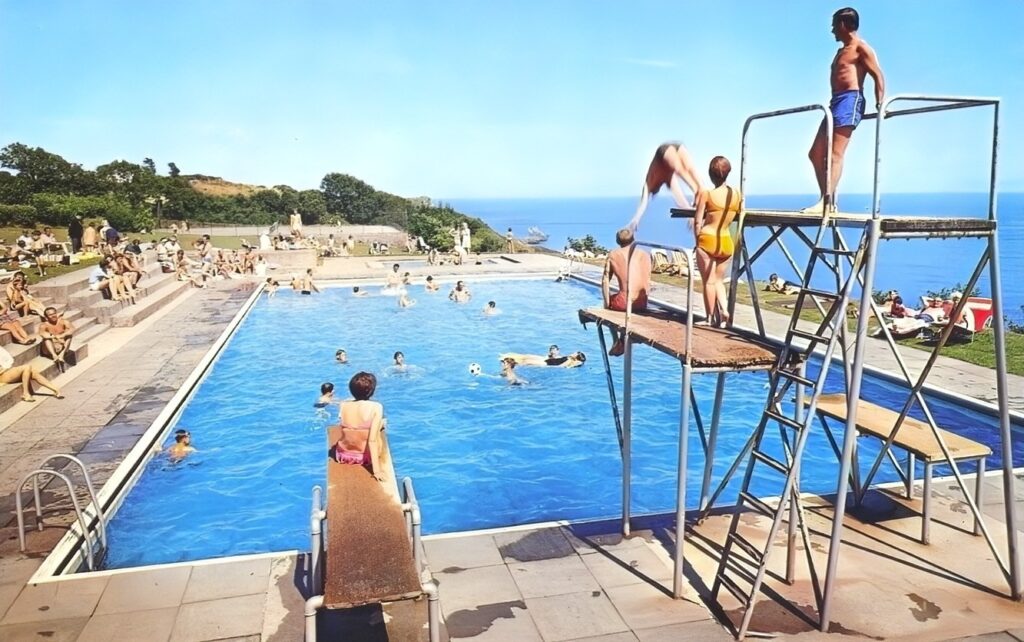
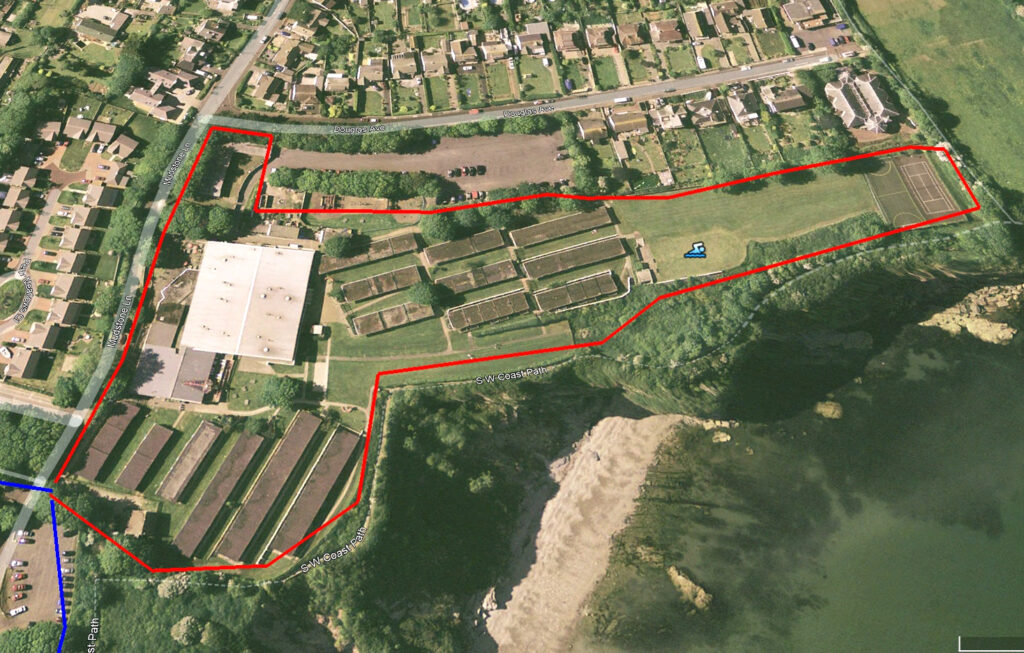
The 1950s brought major development at both camps. A large new entertainment block was built at Dolphin, housing a ballroom, dining hall, kitchens, snack bar, and offices. Each camp gained its own outdoor swimming pool. The company also acquired the neighbouring Homelea camp, a small three-acre site situated between their two existing properties. In 1953, a “large screen television” was installed so guests could watch the Coronation.
Fred Pontin takes over
By the early 1960s Britain’s holiday camp industry was booming, and few were expanding faster than Fred Pontin. In June 1961 he arrived in Brixham with a surprise takeover bid for the three camps owned by the Dolphin company. His opening offer – one Pontins share for every Dolphin share – was turned down, but a revised proposal later that year of four Pontins shares for every three Dolphin shares was accepted. The deal, worth around £600,000 (equivalent to roughly £17 million today), added Dolphin, Homelea, and St Mary’s Bay to the growing Pontins empire. Not content to stop there, the following year Pontin also acquired two more Brixham camps, Wall Park and Bay View, cementing his presence on the South Devon coast.
Pontin wasted no time in unveiling ambitious plans to merge the Dolphin and Homelea sites into a vast “mega-camp” with 700 chalets. The idea was quickly blocked by the local authorities. At the time, the two camps already catered for around 10% of Brixham’s visitors, and Devon County Council ruled that “doubling of the accommodation would not be consistent with policy, as Brixham is already approaching capacity.”
Undeterred, Pontin submitted a fresh application to build two-storey chalets at Homelea, but this too was rejected. Instead, Homelea was developed an independent self-catering camp with single-storey chalets, each with their own kitchens and bathrooms. Facilities at Homelea were sparse – little more than a clubhouse and kids playground – so guests were free to use the amenities at St Mary’s Bay next door.
In September 1964 Pontins began work on 88 new chalets at Dolphin, using outline permission previously granted to the camp’s former owners. The project quickly ran into trouble. Residents of Higher Penn, whose gardens backed onto the site, were outraged to discover that the chalets were being erected “within a few yards of our back doors.” A petition signed by 2,800 townspeople forced Pontin to back down, and he eventually agreed to demolish and resite some of the buildings slightly further away.
Tensions with the town did not end there. Fresh applications in 1967 and 1968 to add more chalets were refused outright. One particularly scathing objection, quoted in the local press, captured the hostility many locals felt towards the camps: holidaymakers, it complained, “scatter fish and chip wrappers around the harbour, walk about with ‘Kiss Me Kate’ hats on, and generally lower the tone of the town.” The same letter concluded that Brixham was in danger of becoming a “mini Blackpool.”
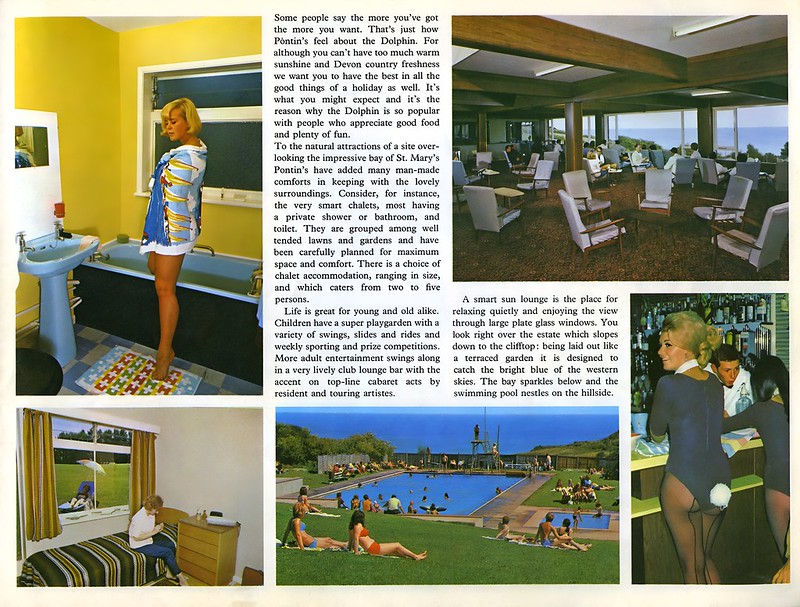
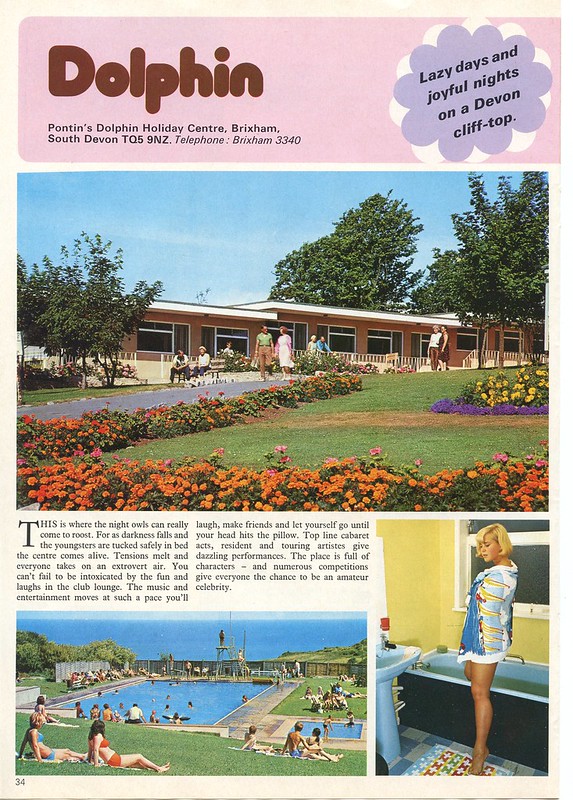
Because of all the planning issues, Dolphin became something of an oddity within the Pontins empire. While most of the chain’s camps were modernised and rebuilt during the 1960s, Dolphin clung to its past, retaining many of its original chalets right up until the end.
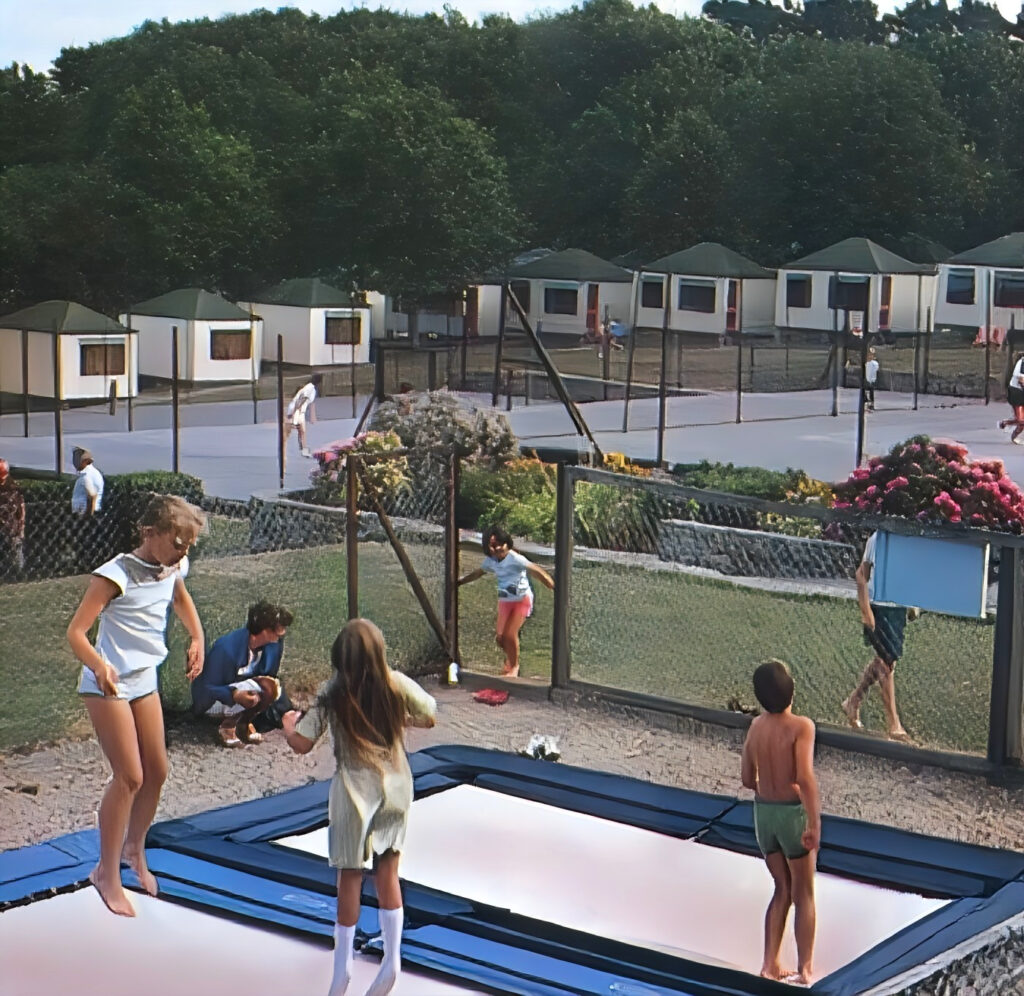
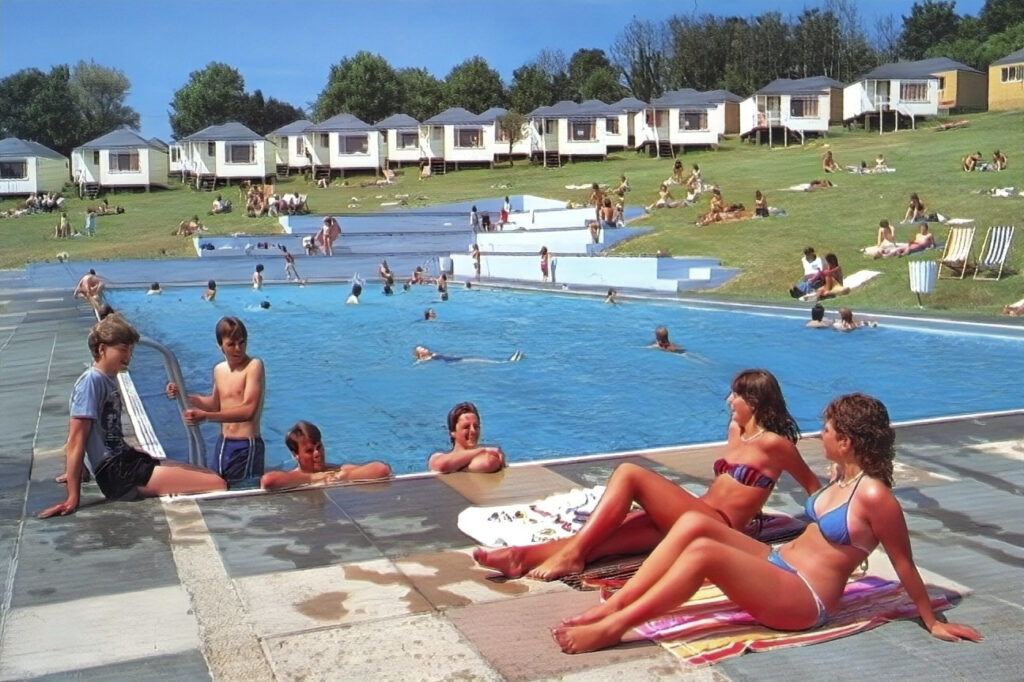
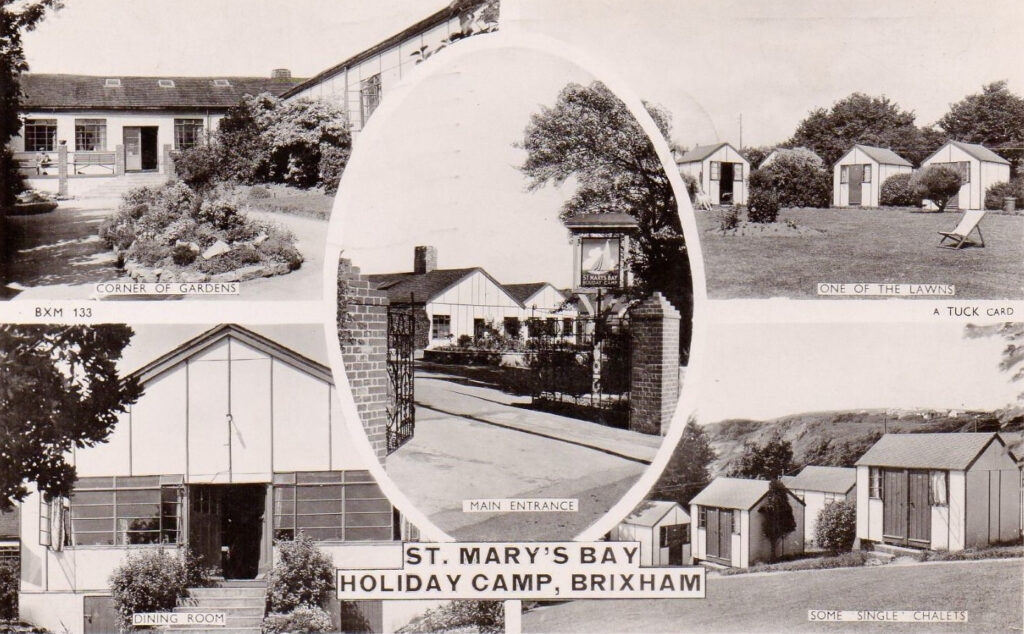
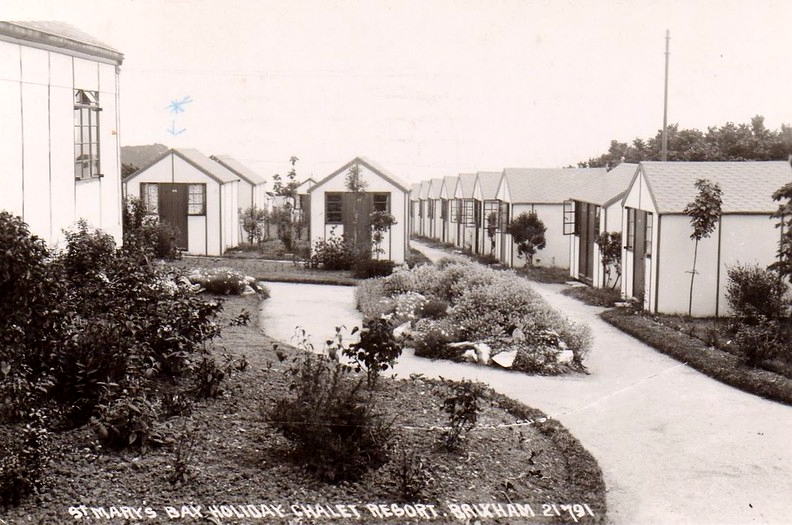
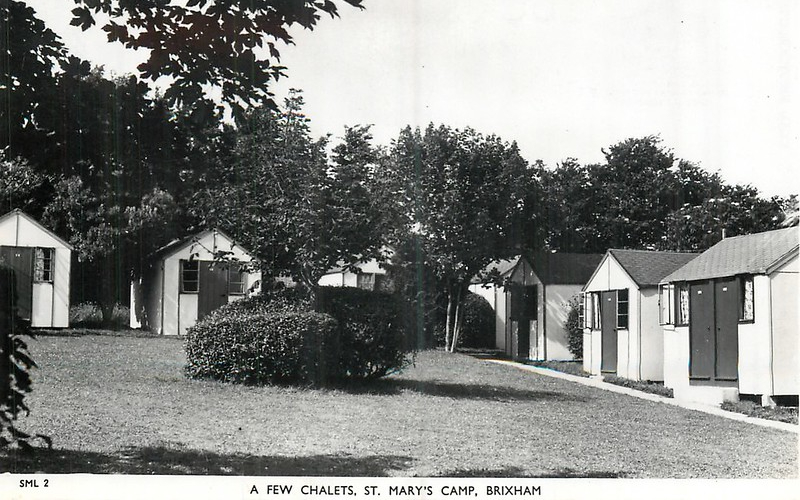
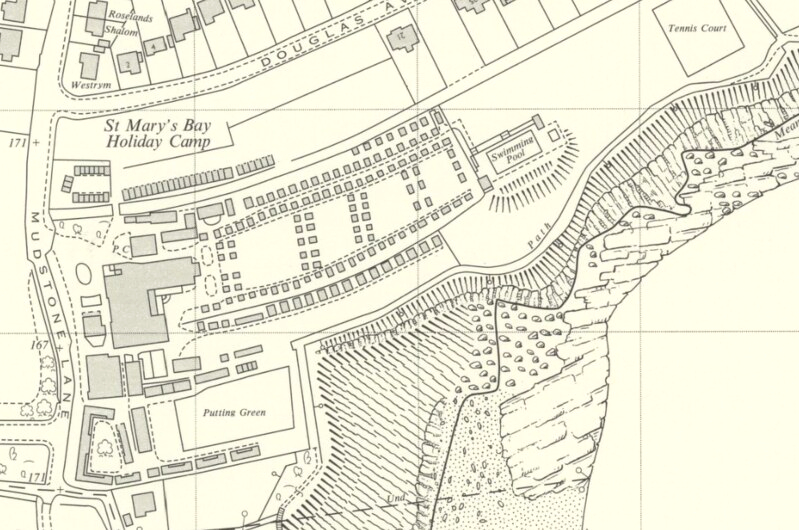
St Mary’s Bay, by contrast, underwent a complete transformation. During the late 1960s the camp was converted to self-catering and all the little wooden huts were replaced by new brick chalets built in long single-storey blocks. Each had its own kitchen, lounge, and private bathroom. All chalets were equipped with electric meters, and during the 1970s the TVs were also fitted with meters.
In 1971 Homelea was formally merged with St Mary’s Bay, and the Homelea name quietly disappeared. The grounds were divided into two sections: the former Homelea site became known as Top Park, while the original St Mary’s Bay was dubbed Bottom Park. Guests could still choose which part of the site to book, giving the merged camp a dual identity that lingered for years.
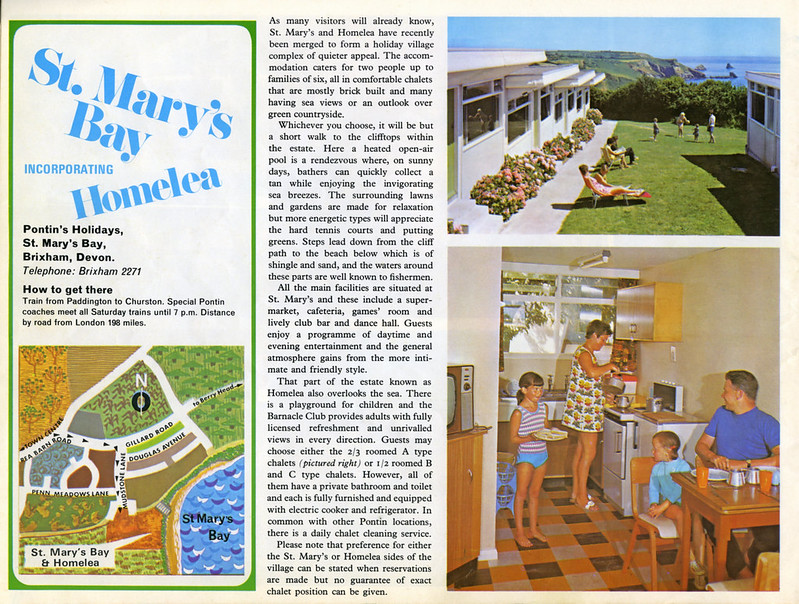
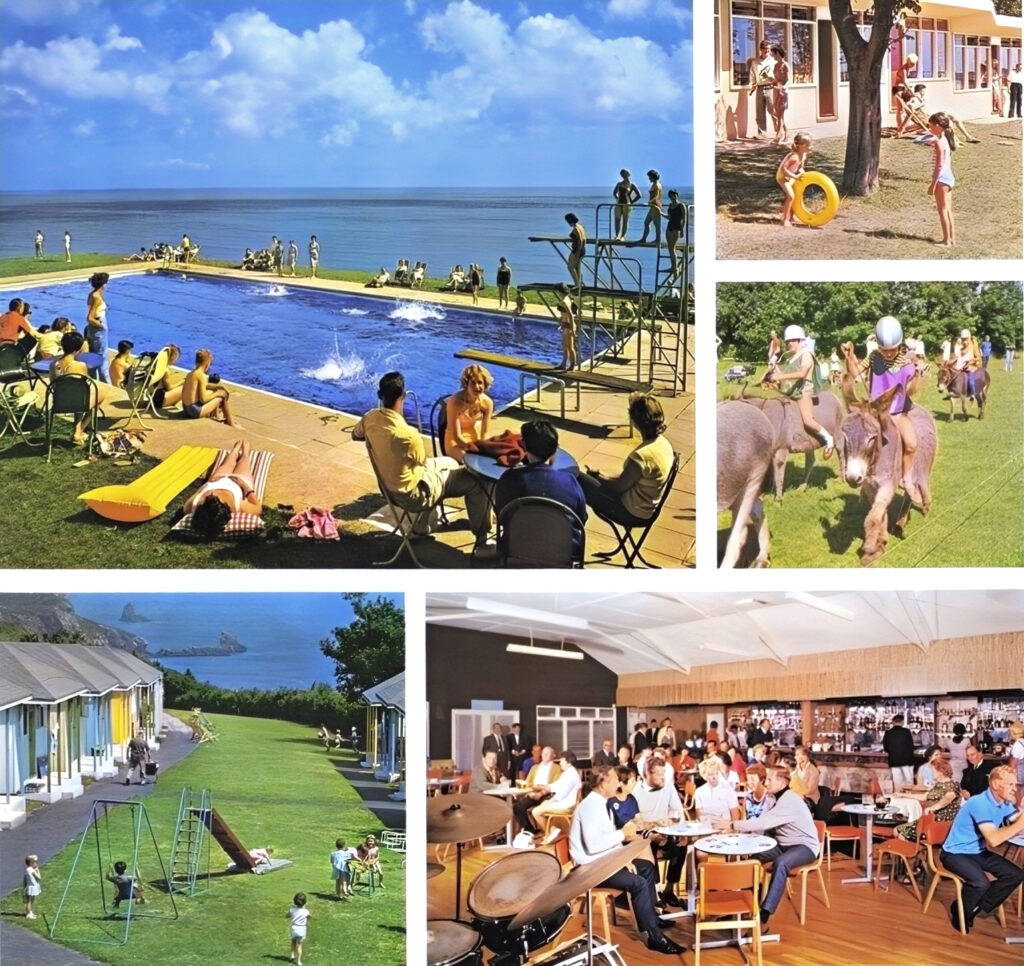
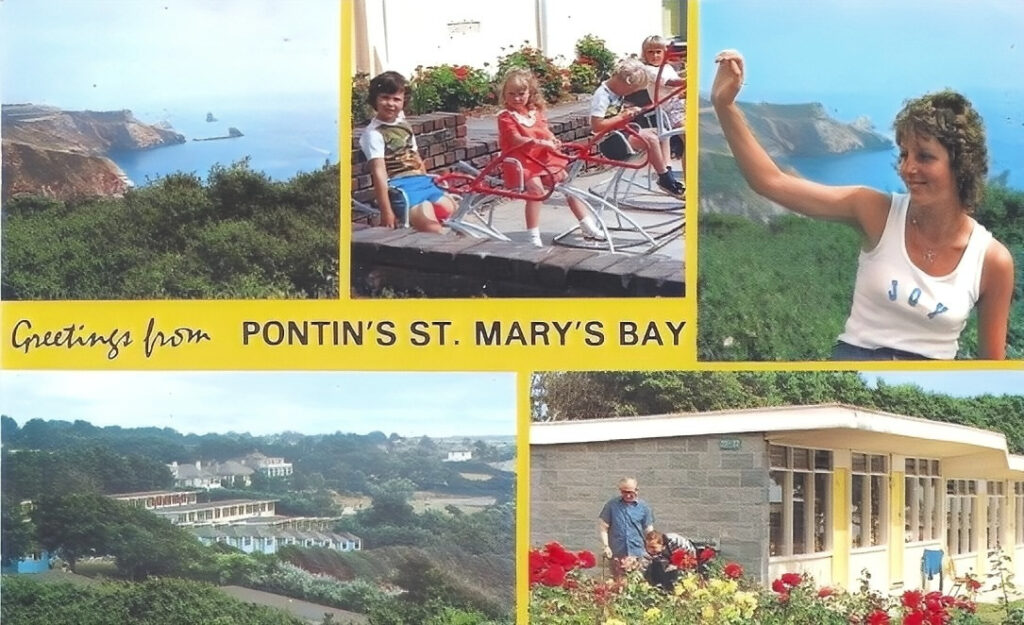
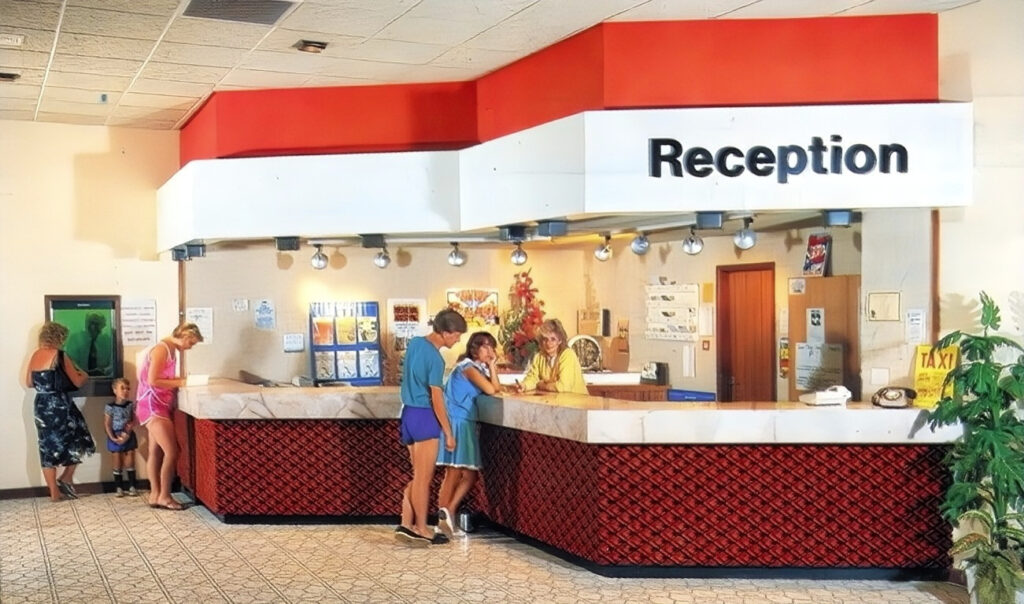
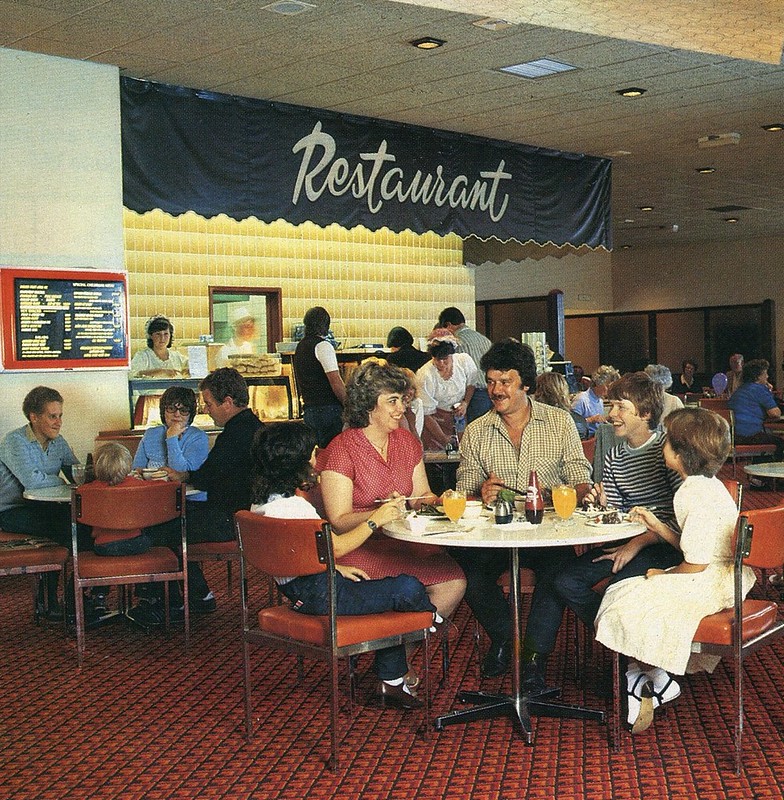
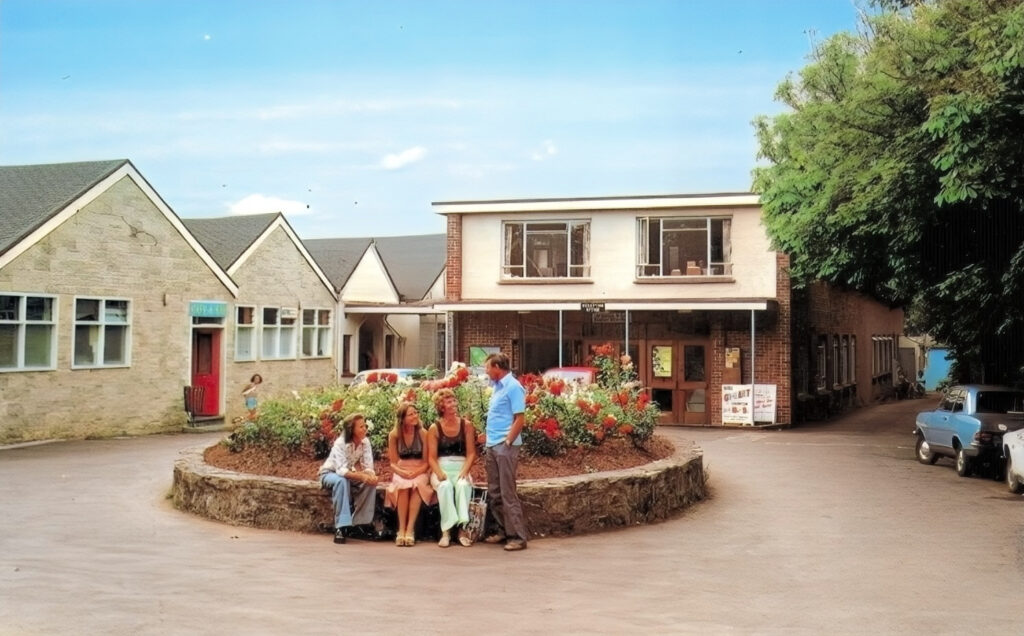
In 1982, plans were unveiled to demolish the old entertainment building at St Mary’s Bay, which had stood since 1938. In its place, a brand-new £1.5 million complex was constructed and officially opened in June 1983 by Derek Palmar, chairman of Bass Holidays, the then-owners of Pontins. The modern facility included a bar, restaurant, and a 900-seat cabaret room, along with a roller disco that also served as a children’s video theatre. There was also a self-service restaurant, supermarket, amusement arcade, ice cream parlour, and takeaway. Around the same time, many of the site’s chalets were also refurbished.

In 1987 a guest staying at St Mary’s Bay woke in the morning to discover that thieves had stolen all four wheels from his car, and his steering wheel! Management said he could stay at the camp free of charge until he had “sorted out the problem of getting home.”
Dolphin always remained a full-board camp, with all meals provided, and these were taken in the huge communal dining hall. The newer chalets all had private bathrooms, but most of the older huts just had a sink and toilet with guests using communal shower blocks. None of the chalets had kitchens or dining areas but they were fitted with electric heaters which were operated by coin meters.
Disaster at Dolphin
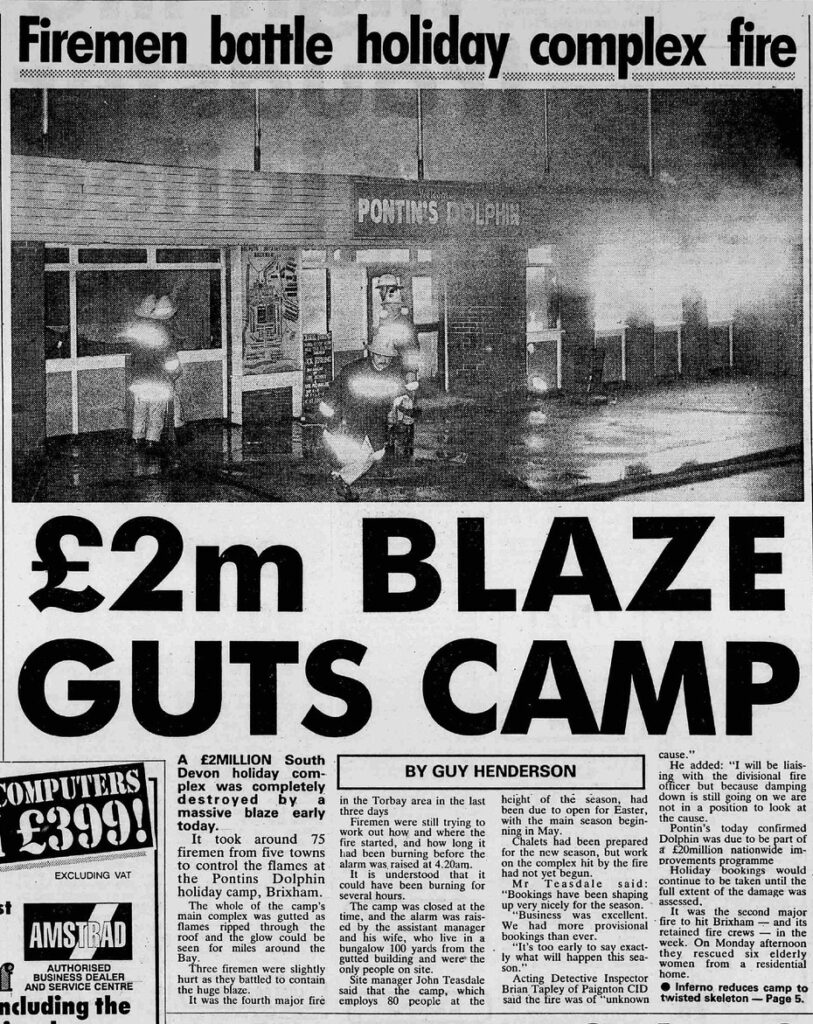
In February 1991 disaster struck when a major fire tore through Dolphin’s main entertainment complex, destroying the reception, ballroom, dining hall, and kitchens. With the scars of past planning battles still fresh – and the holiday camp industry itself in decline – the decision was taken not to rebuild. Dolphin closed its doors for good, its once-bustling chalets and facilities left to decay. Over the following years the derelict site became a magnet for arsonists, vandals, and urban explorers. A proposal in 1995 to replace the camp with a 165-bed hotel briefly raised hopes of redevelopment, but the scheme never materialised, leaving Dolphin’s story to end in silence and abandonment.

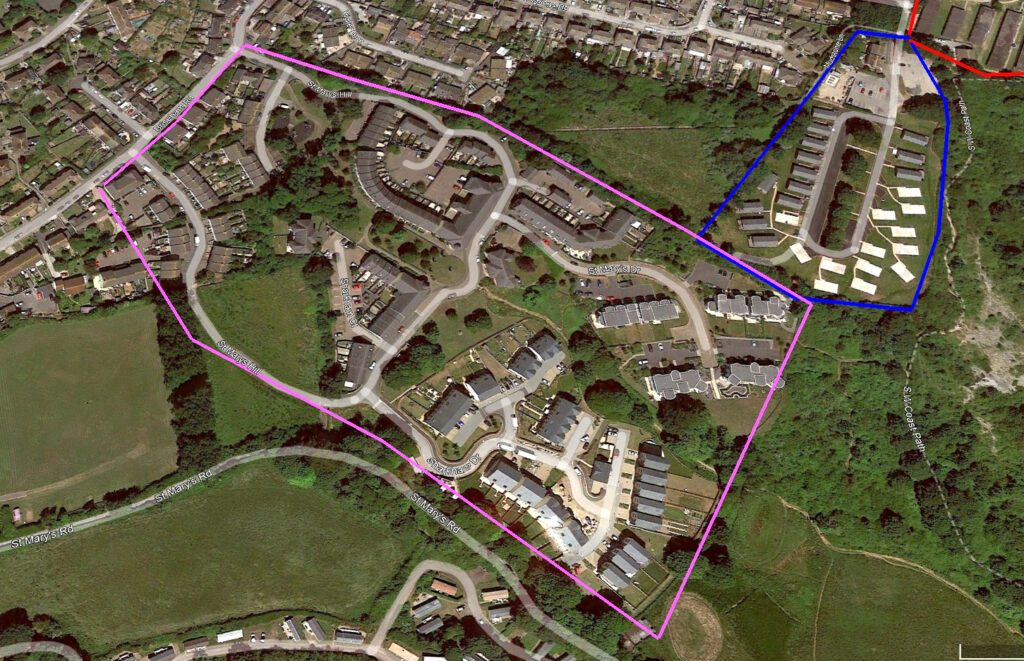
In 2004, the decaying remains of the camp were finally demolished. A new housing development – known as Sharkham Village – was built on the site, with roads such as St Mary’s Hill and St Mary’s Drive now covering the land. A wooden carving of a dolphin was erected at the entrance as a nod to the holiday camp that once stood there.
St Mary’s Bay is sold
St Mary’s Bay remained unaffected by the fire and life continued much the same. But in March 1995, Pontins announced the sale of four of its parks – including St Mary’s Bay – to a new venture called Manor Parcs, advertised as “Britain’s brightest new holiday company.” On the surface, it looked like a bold new beginning. But behind the scenes, Manor Parcs was controlled by many of the same people who ran Pontins. The deal wasn’t so much a clean break as a corporate reshuffle – a way to prepare the ground for future redevelopment while giving the illusion of fresh investment.
Within three years, the illusion had faded. Manor Parcs quickly offloaded all four of its parks, three of them sold for housing. St Mary’s Bay escaped that fate only because planning authorities ruled out any residential use, forcing the owners to look elsewhere. In 1998 the camp was sold to WestStar Holidays, who injected new life into the site with a new indoor swimming pool completed in 2000. The old outdoor pool was later filled in.
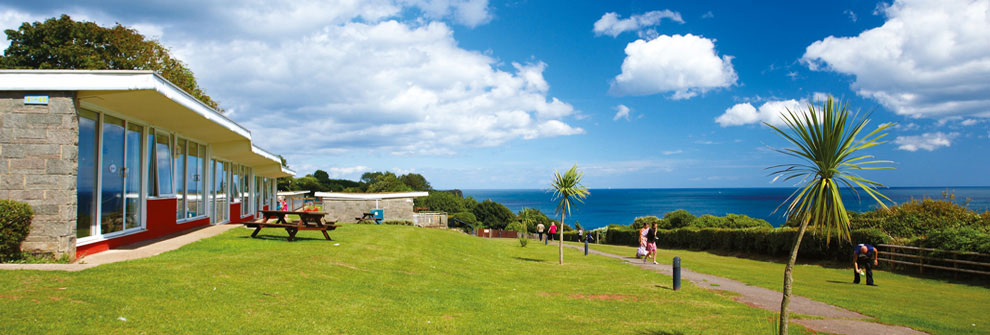
Just a year later, in 2001, St Mary’s Bay was bought by the Hardick family, who owned nearby Landscove Park holiday park. A few years on, they rebranded it as Riviera Bay, but their ownership was short-lived. Around 2007, the site changed hands again, this time passing to Park Holidays, one of Britain’s fastest-growing holiday park groups.
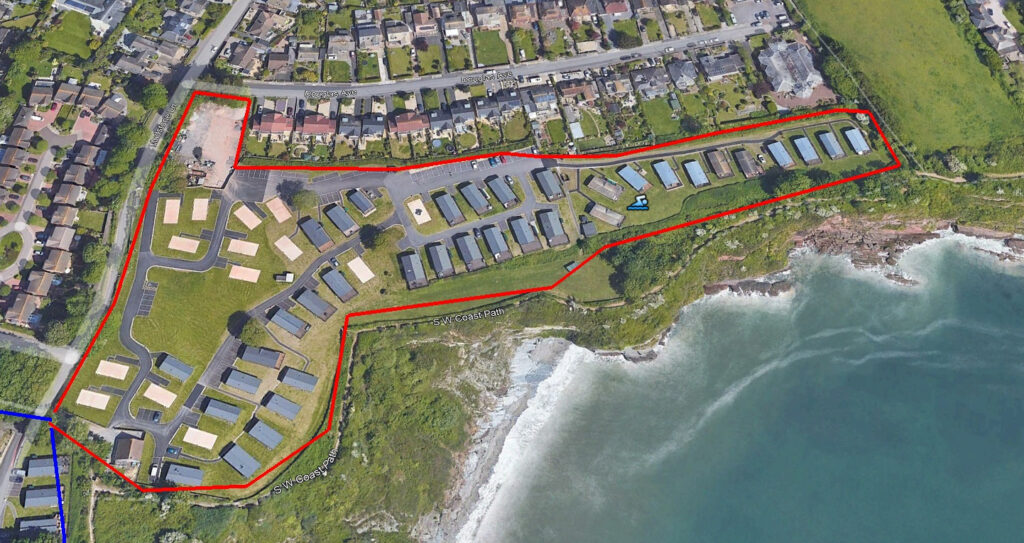
The old Homelea section closed in 2016, and the 1960s Pontins chalets were demolished soon after – replaced by 30 luxury lodges that marked the beginning of a new era.
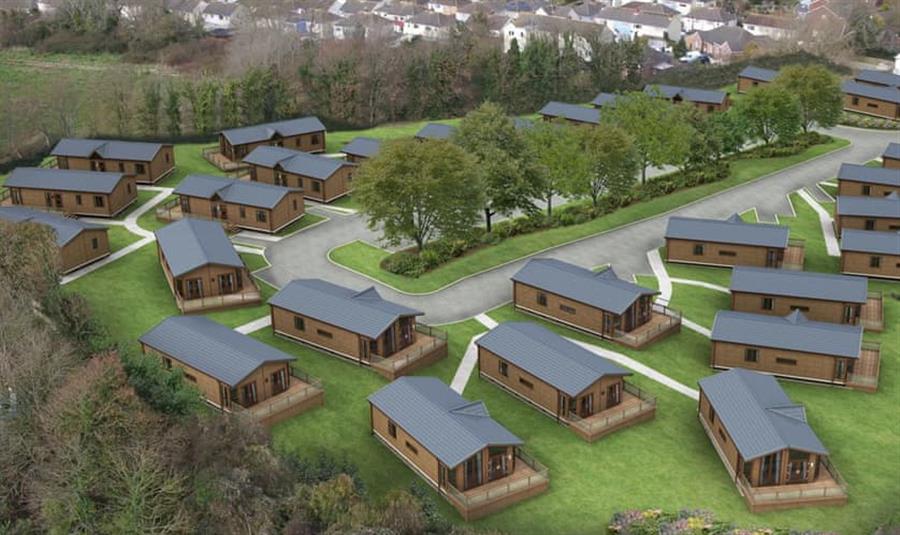
In 2019 it was time for the main St Mary’s Bay camp to be redeveloped – in fact, the entire camp was completely demolished. Over the next five years, new luxury holiday lodges were built and the park was transformed into an upmarket holiday estate, though notably without any shared facilities. All lodges were offered for sale, with prices starting at £190,000 and annual site rents in excess of £8,000.
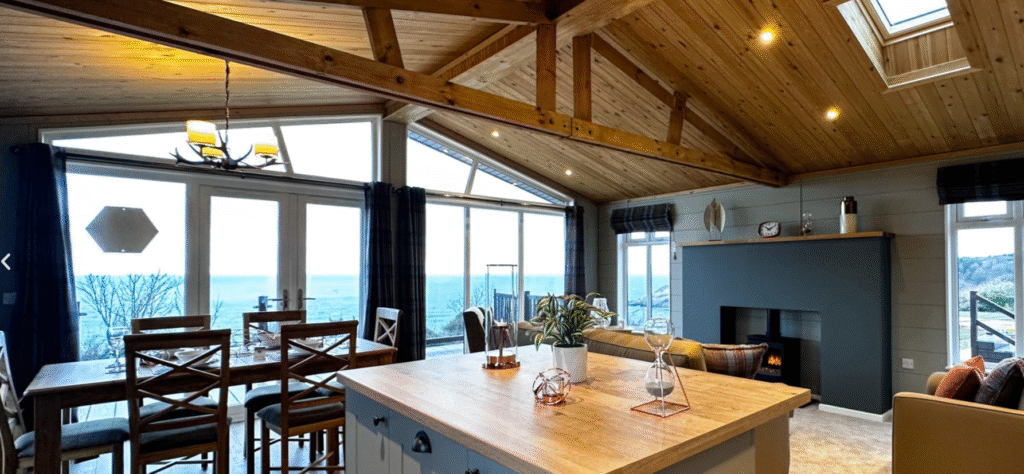
In 2024 Riviera Bay was sold back to the Hardick family, now in its second generation. Plans were recently announced to build a new swimming pool along with a fitness centre and bar/cafe. The site is now known as Riviera Bay Coastal Retreat.
Old maps and aerial views
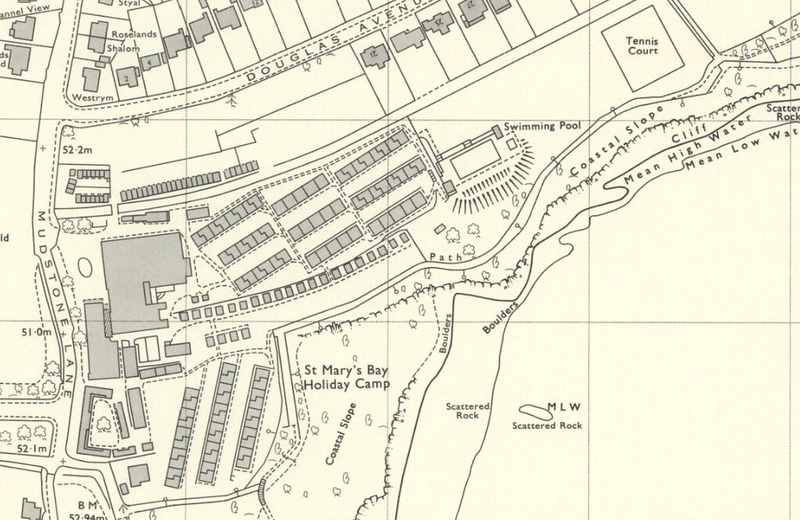
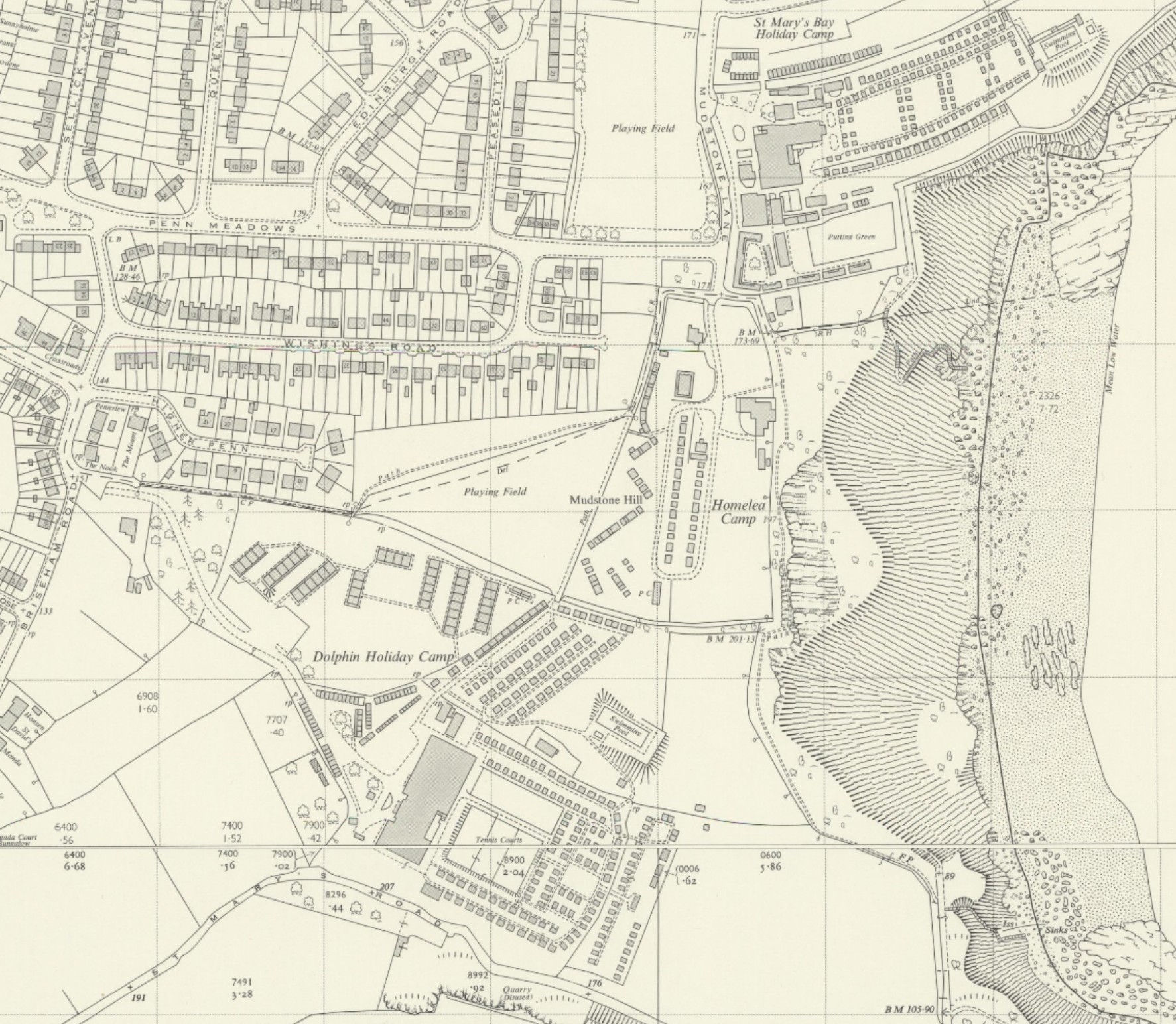
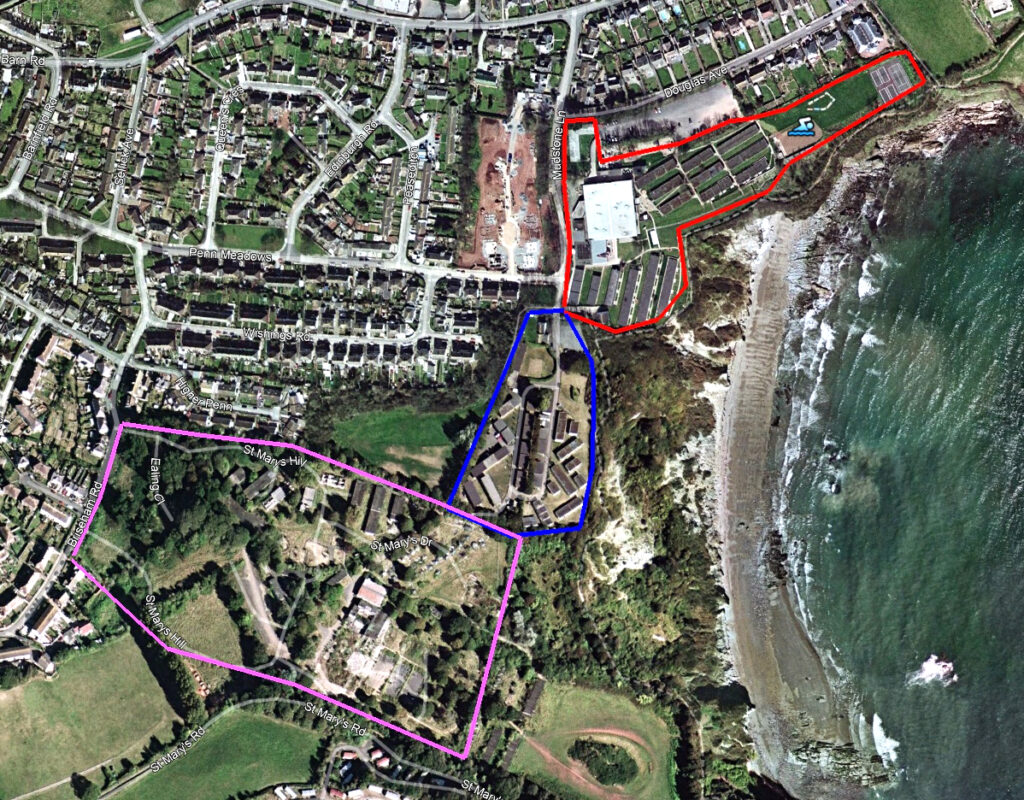
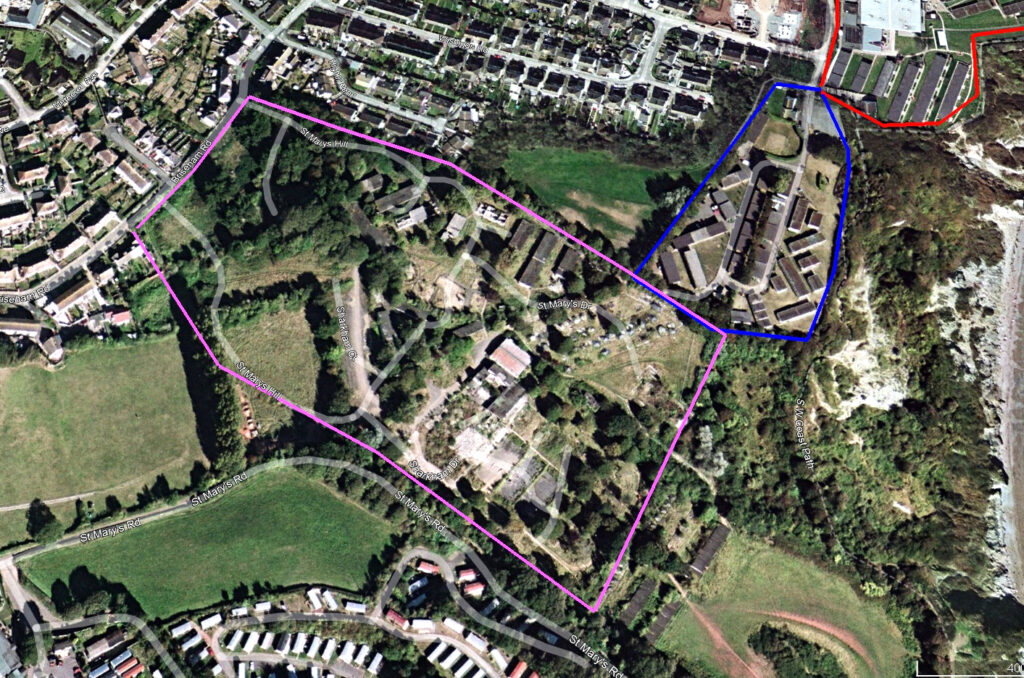
We’ve also covered the history of several other Pontin camps which can be found in our A-Z blog index.
Our friends at Retro Stock Photography have a number of unique Dolphin holiday camp photos available for instant download. View their selection here
We’d love to hear your memories and stories of the camps. Please feel free to leave a comment below
