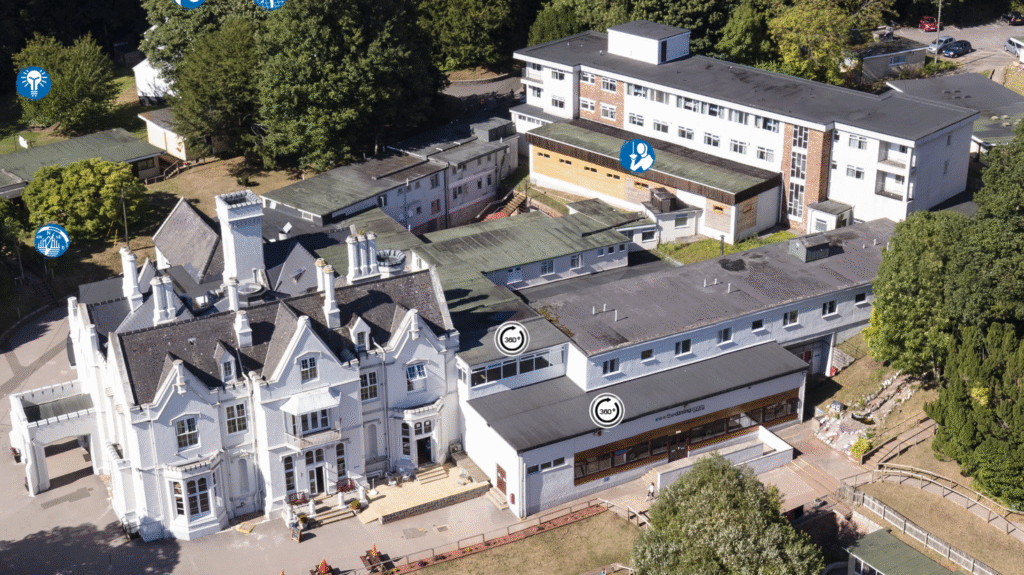
This Tudor-style mansion on the outskirts of Torquay was originally built in the 1830s, but was destroyed by fire in 1862 and subsequently rebuilt. It later became the home of local councilman Captain ‘Squire’ Brown and his family. Following Brown’s death in 1936, the estate was placed in trust for his son but in June 1940, the entire contents of the house were sold at auction. Three months later the property itself was put up for sale. It was described at the time as having: “Four reception rooms, billiards room, eight bedrooms, three bathrooms, ample domestic offices, two garages and outbuildings; gardens; cottage, chauffeur’s house, glasshouses; walled kitchen garden; tennis lawn; finely timbered grounds and woodlands extending to 36 acres.”
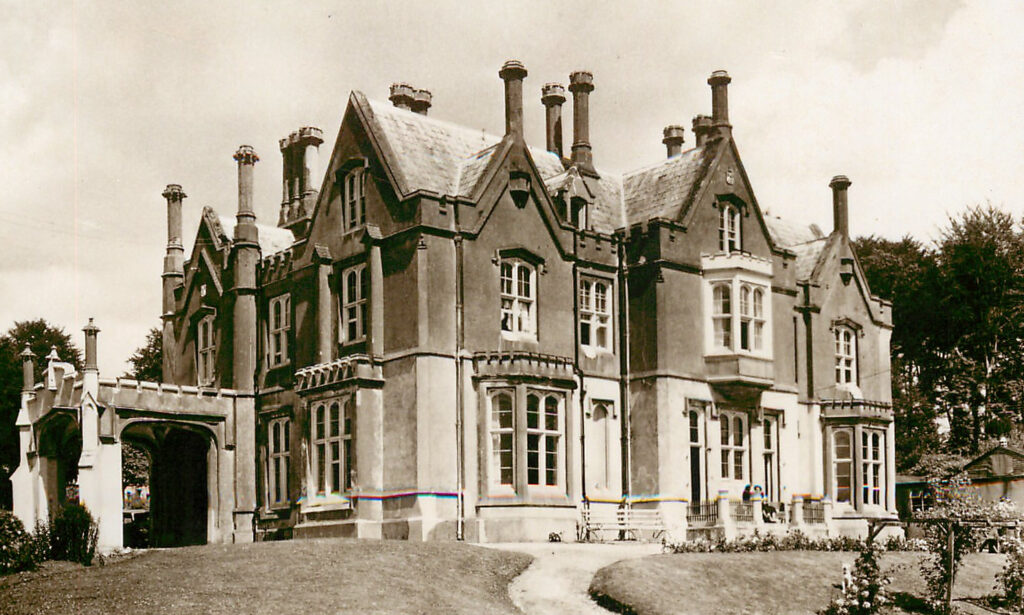
It was then requisitioned for the war effort as an ARP Mobile Relief and Rescue Column, a specialist Civil Defence unit designed to respond to major air raid incidents – particularly those that overwhelmed local Air Raid Precautions (ARP) services. After the war, it was taken over by Prudential Assurance.
In 1946, the property was purchased by local builder John Lloyd and leased to the National Fire Service, which used it as a residential training centre for firemen across the south west of England. However, this was short-lived, as responsibility for firefighting soon reverted to local authorities. The site was then leased to the RAF and repurposed as a Polish resettlement centre.
The estate finally opened to the public as a holiday resort at Easter 1951, fulfilling John Lloyd’s long-held ambition to turn it into a holiday camp. When the National Fire Service moved out, they left behind a number of wooden huts which were soon pressed into new use as chalets and service buildings. The old stable block was converted into a games room, while the main house served as the hub of the camp, housing the dining room and kitchens, with several upstairs rooms available for guests to rent. At its opening, the camp could accommodate 233 holidaymakers, and planning permission was granted for a further 175 touring caravans – with a daily rate of five shillings, around £10 in today’s money.
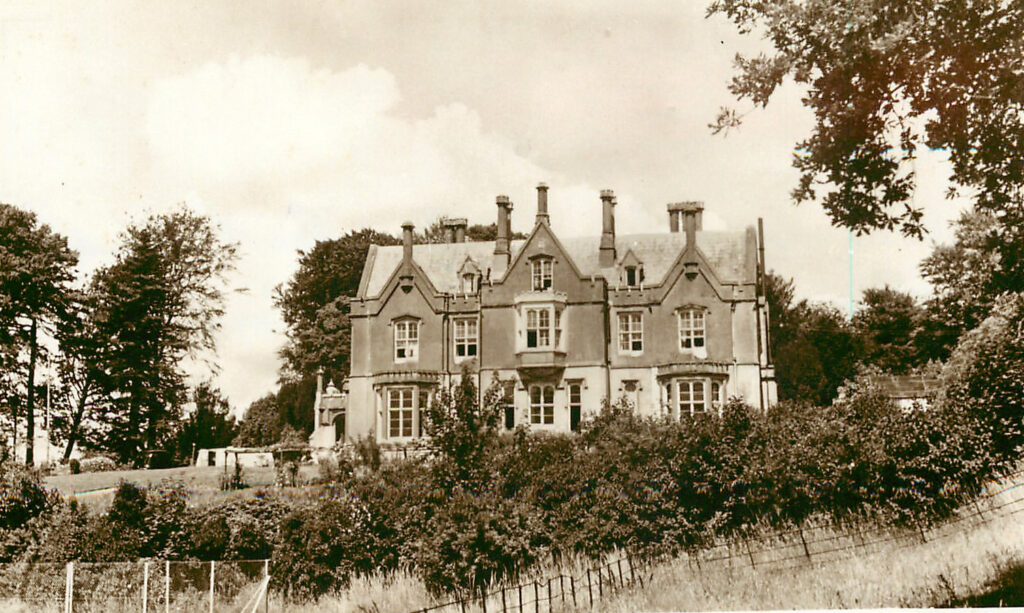
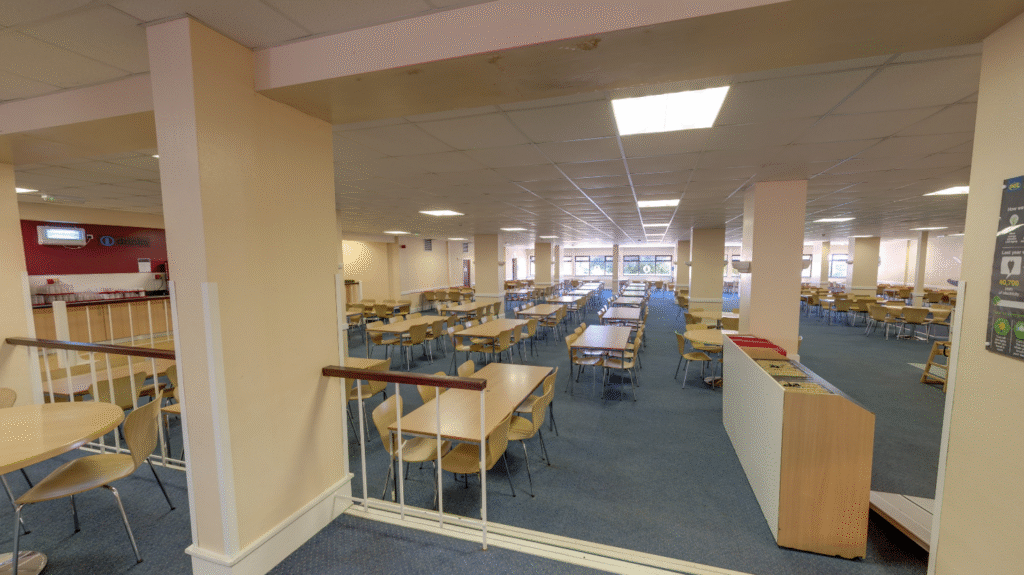
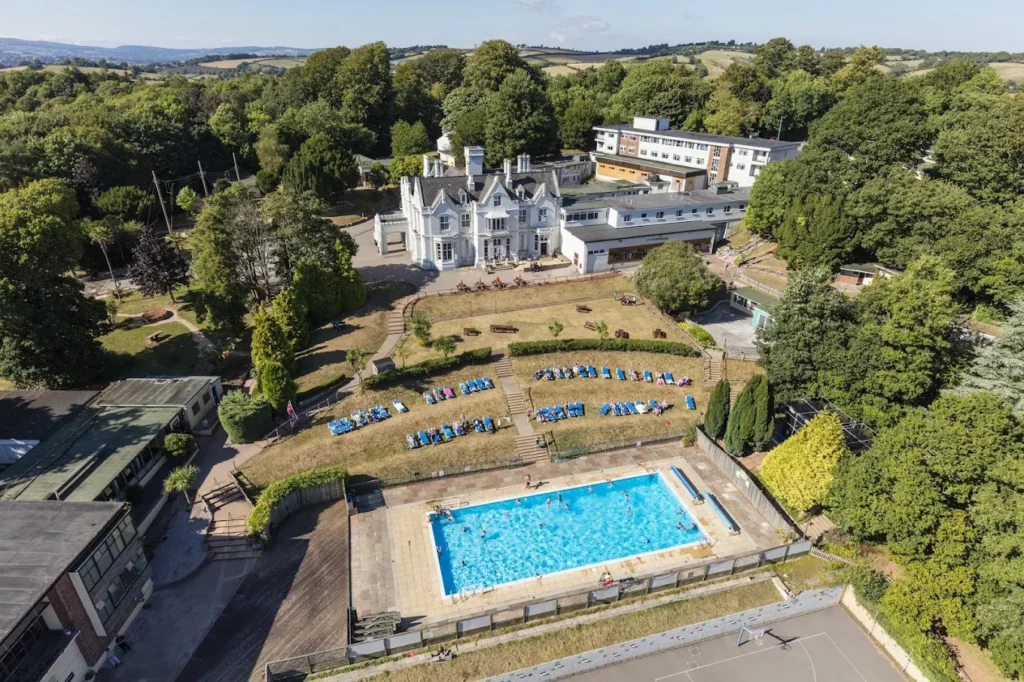
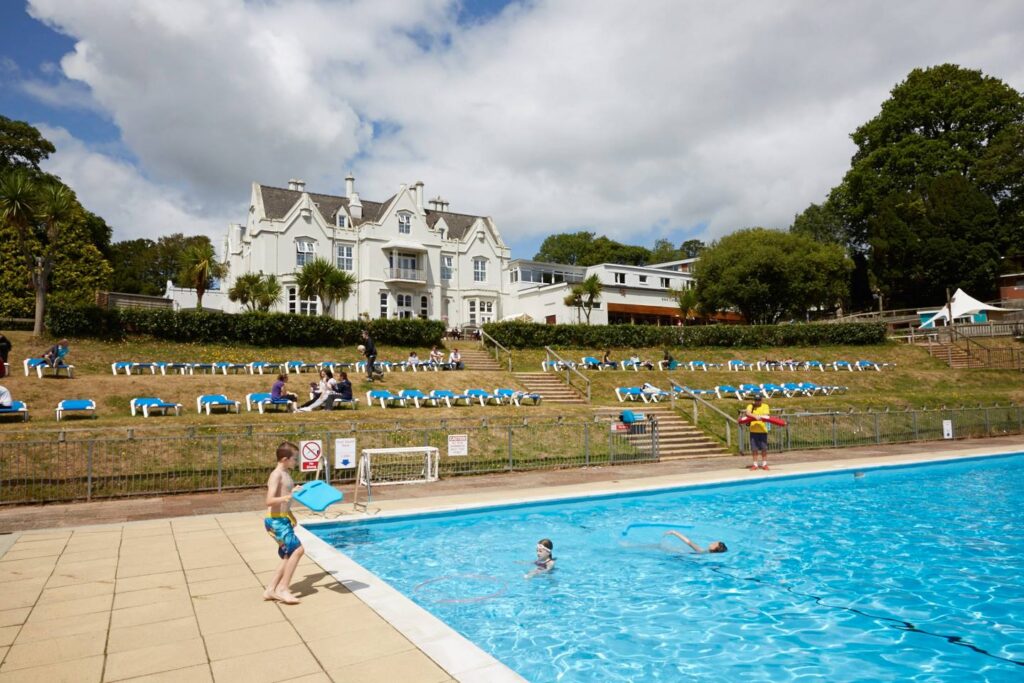
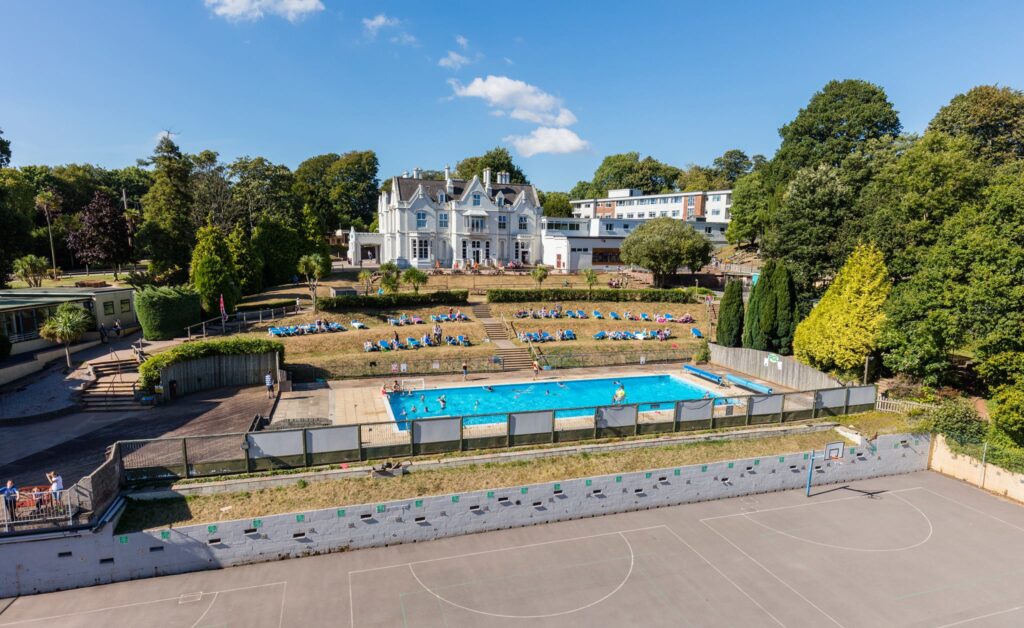
The camp expanded rapidly during the early 1950s, with the addition of a 500-seat dining hall, ballroom, cinema, and an outdoor swimming pool – said to be the largest heated pool in south-west England. A public house, The Squire’s Retreat, was also opened and made accessible to non-residents. During a licensing hearing, the chairman of the Devon Licensing Committee, Sir Leonard Costello, remarked that the site had become a “glorified Butlin’s camp,” to which the owner replied, “I can assure you this is not a holiday camp at all. It is a holiday resort.”
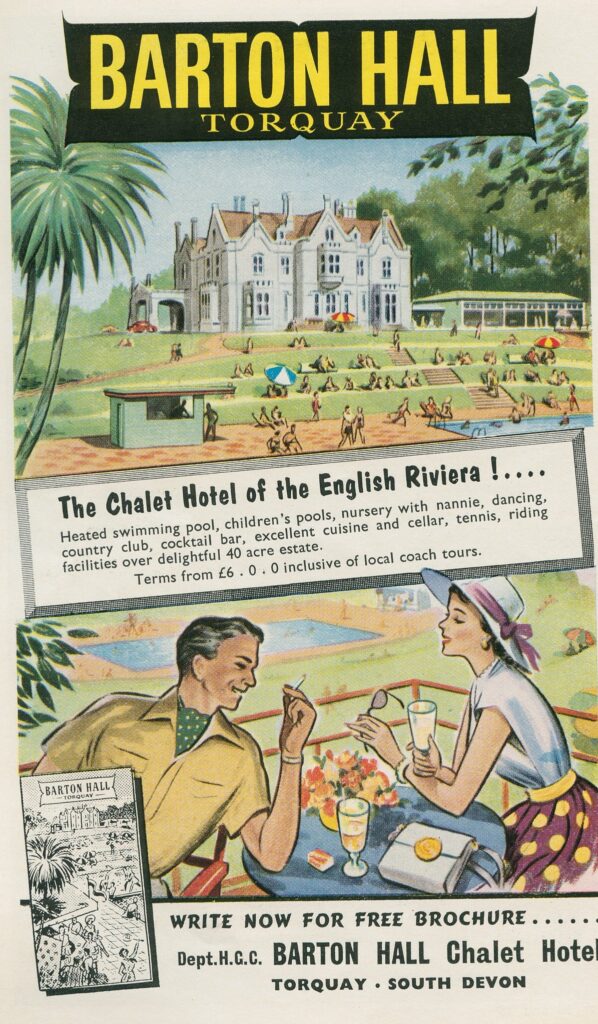
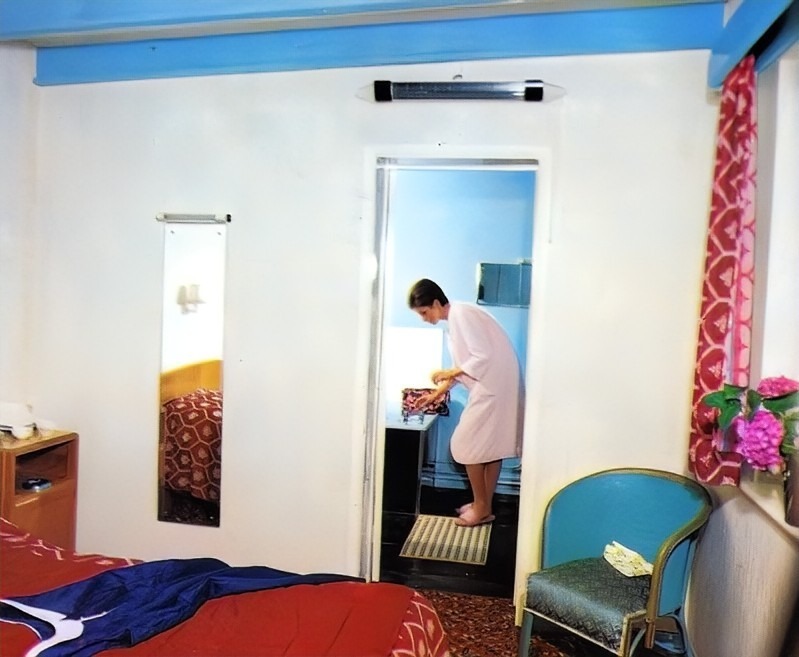
It was acquired by Fred Pontin in 1956 for £60,000 (equivalent to around £2 million today) although it wasn’t transferred to Pontins Ltd until a couple of years later. Pontin then set about his own improvements which included building new brick chalet blocks, some of which adjoined the main house.
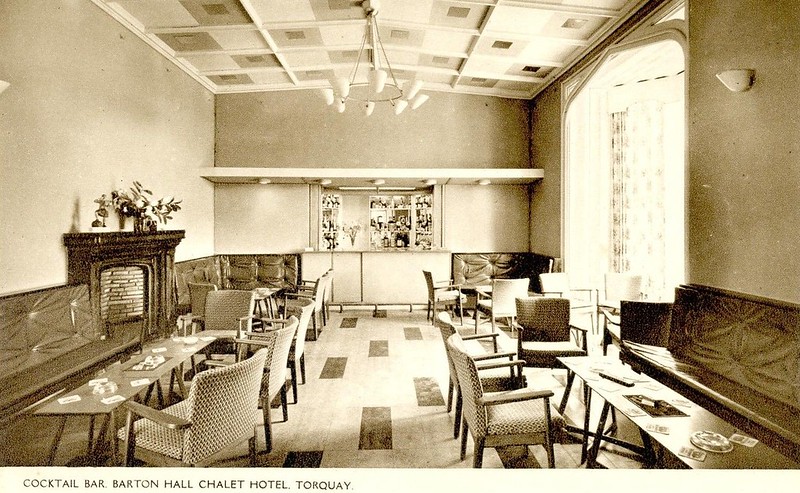
Elsie Brown, Fred’s sister and fellow Pontins board member, had been the one to persuade him to buy the property, and she was subsequently appointed manager. Never a great fan of traditional holiday camps, Elsie was determined to make Barton Hall something special, with an emphasis on quality dining. Before long, it had earned a reputation as one of the most refined camps in the country. Guests enjoyed four and five course meals served on crisp white linen, attended by tuxedo-clad wine waiters and accompanied by soft piano music. It became the sort of place where people actually dressed for dinner.
A few rooms in the main house were converted into plush “Imperial” suites, and before long the camp was even opening over Christmas. Demand was so high, Elsie joked that the only way to get onto the festive waiting list was “if someone died.”
In October 1963, the UK’s first outdoor dry ski slope opened at Barton Hall. Costing £4,000, it was operated and maintained by the Wessex Ski Association. Sir Fred Pontin flew in by helicopter for the official opening ceremony. The slope initially measured just 200 feet long and 16 feet wide but was later enlarged and improved.
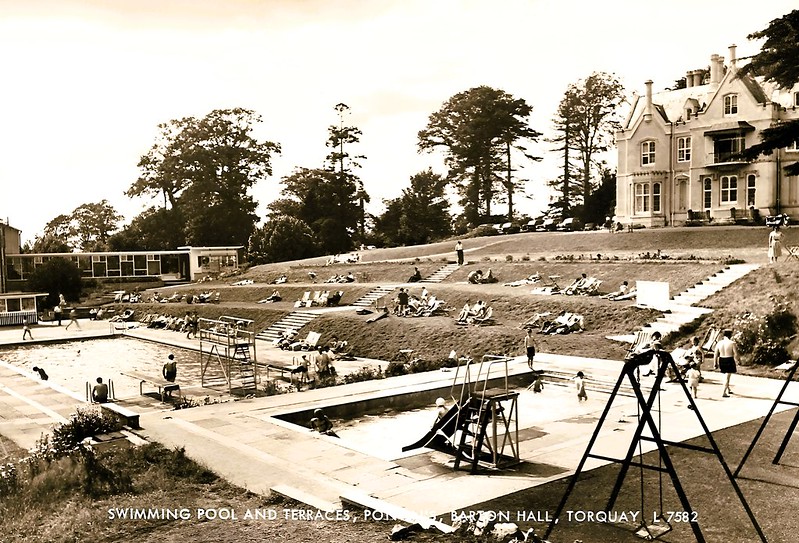
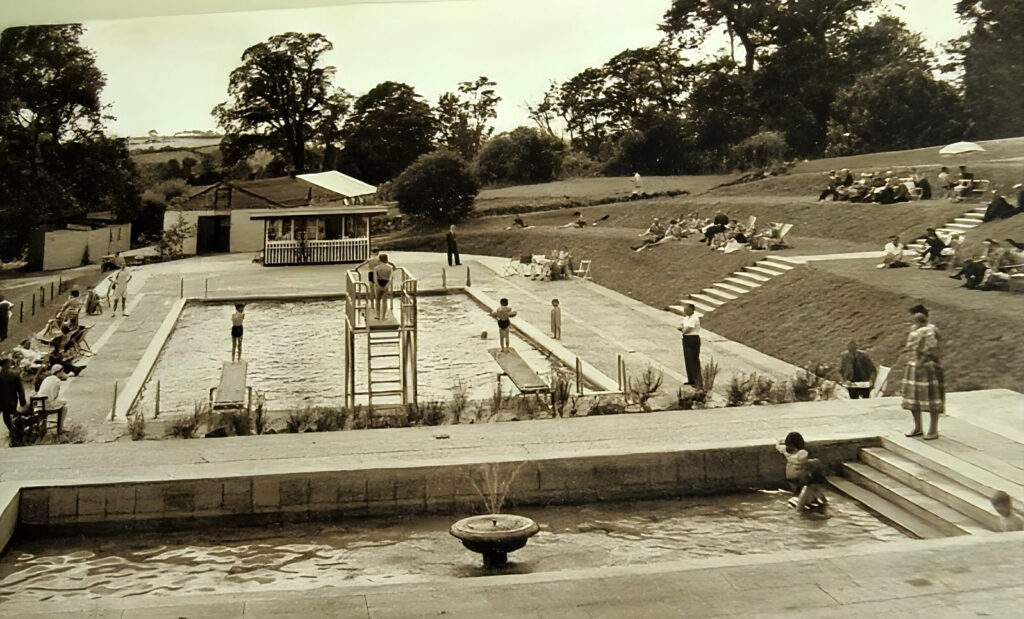
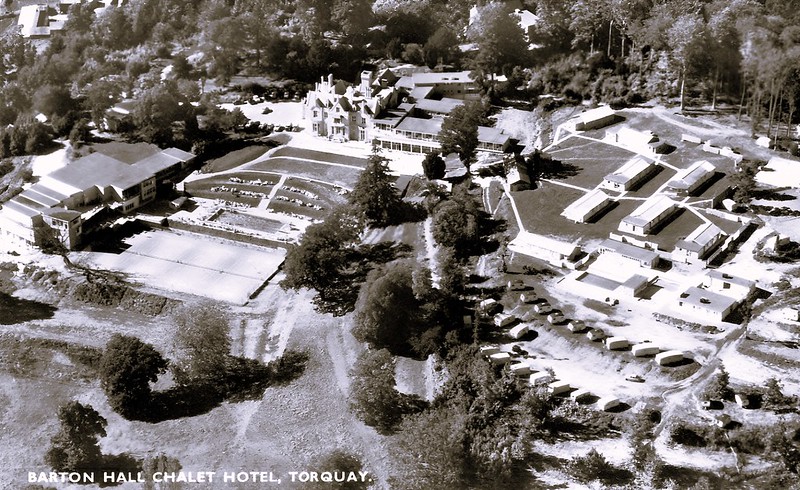
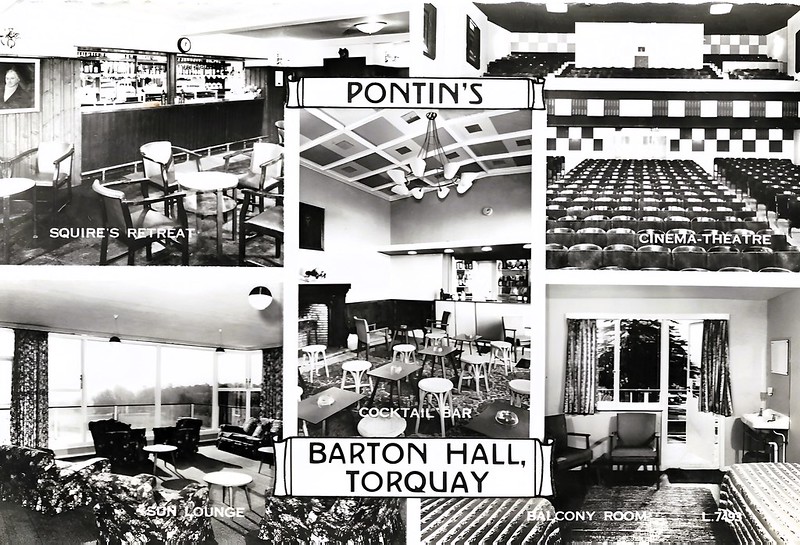
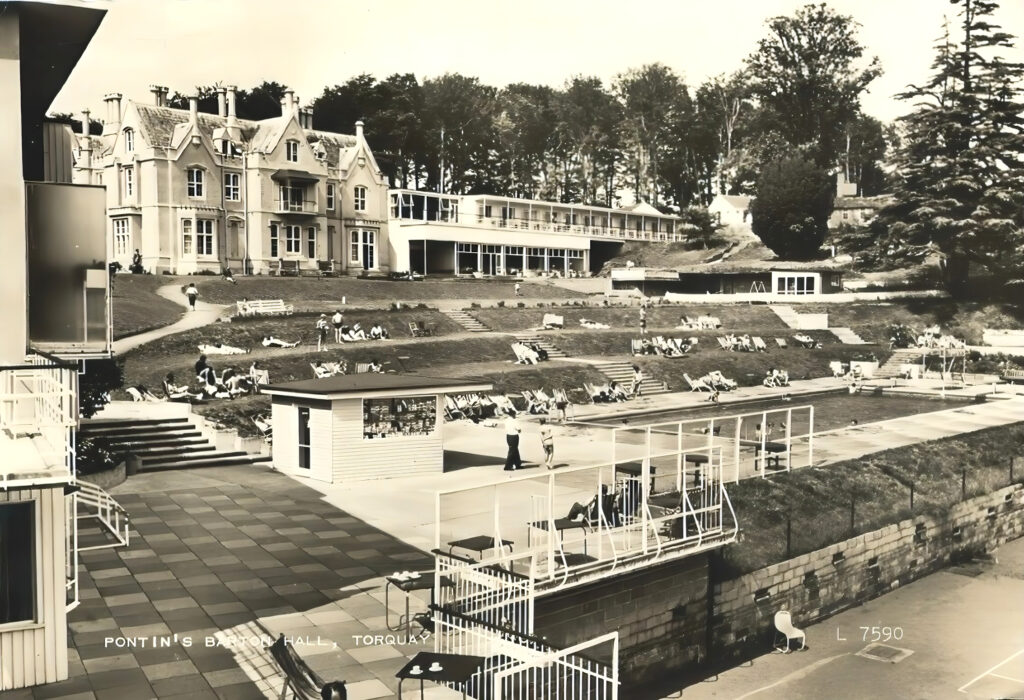
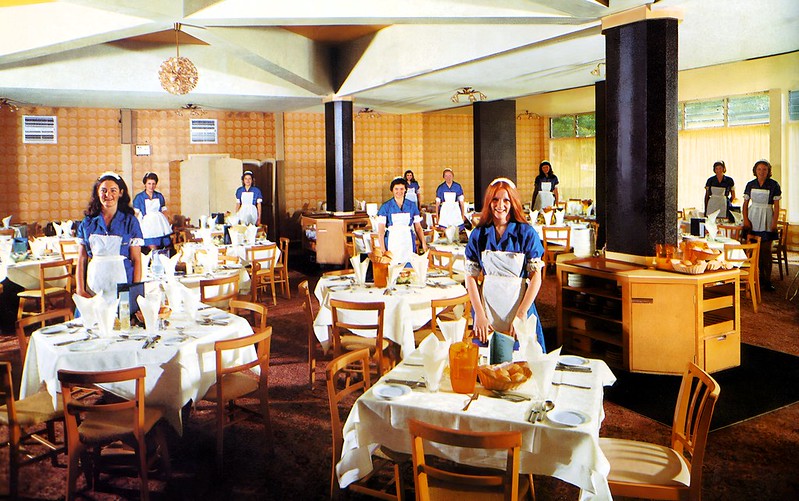
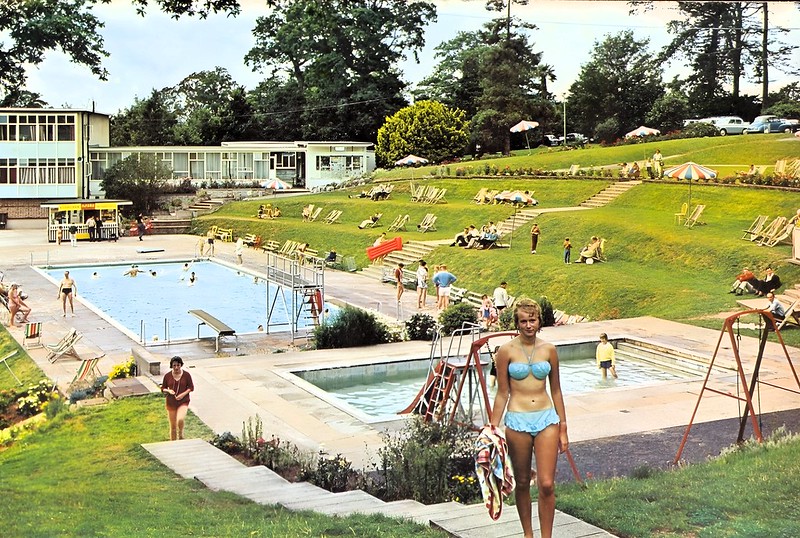
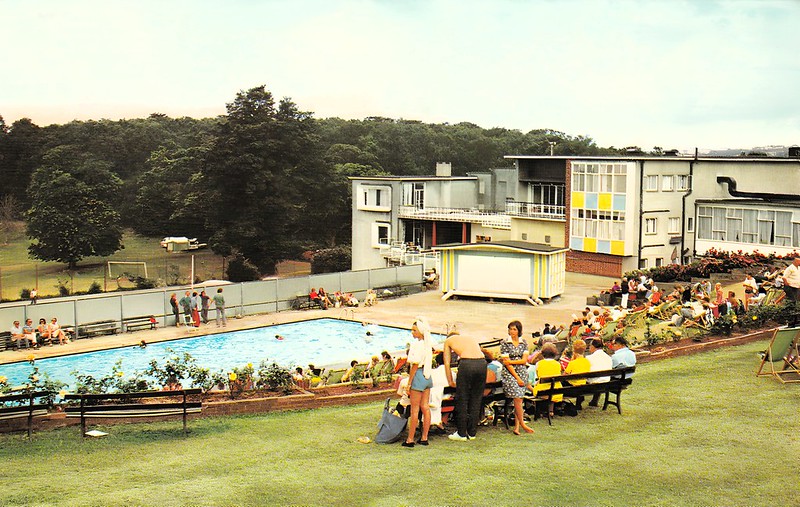
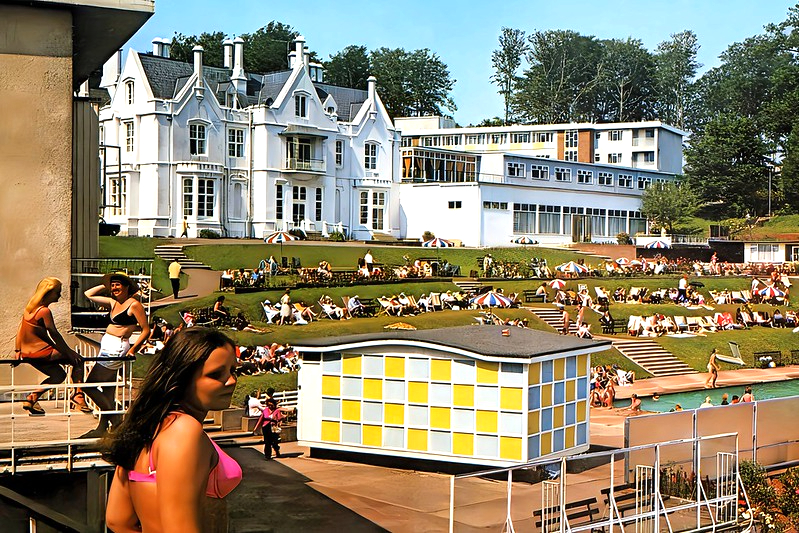
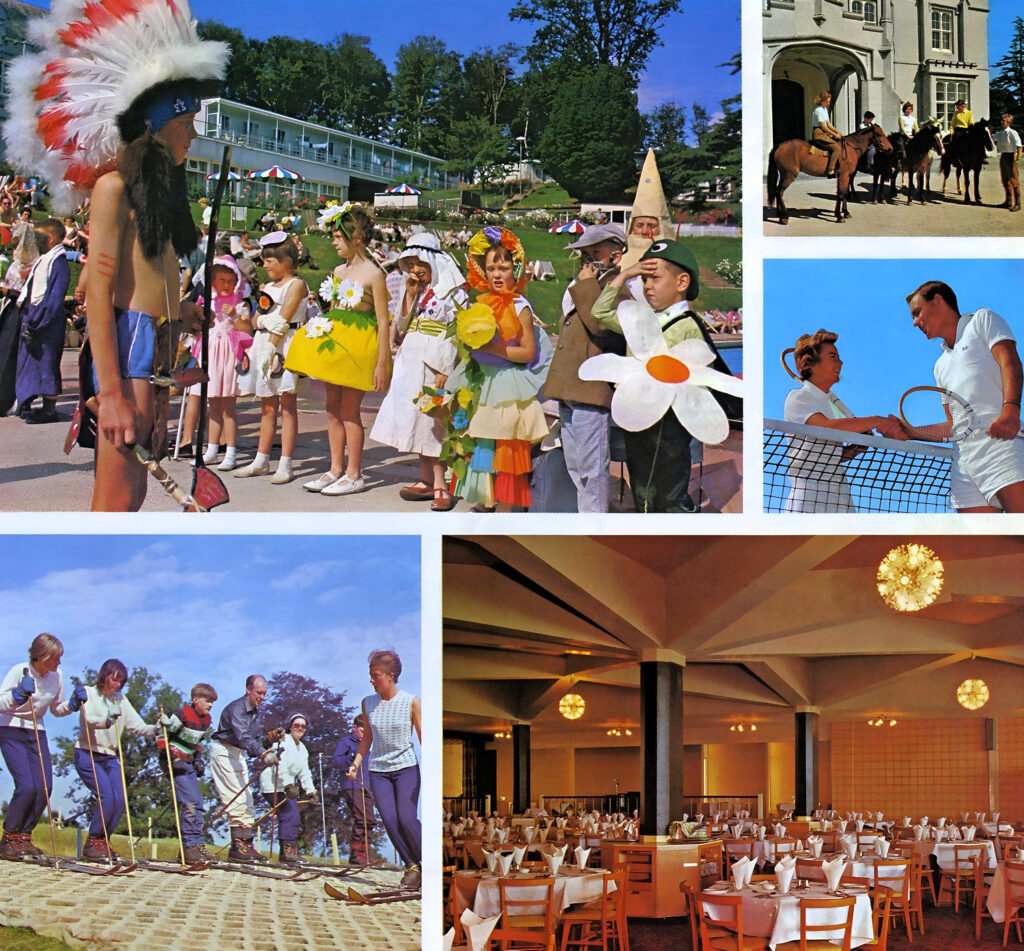
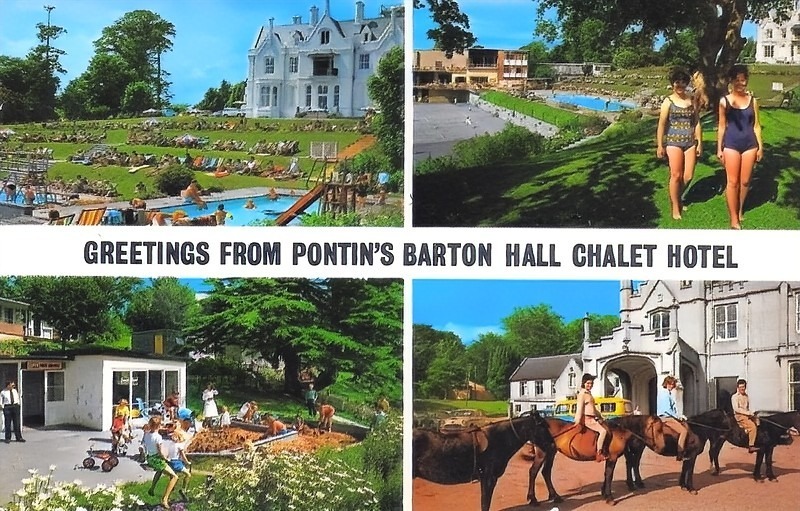
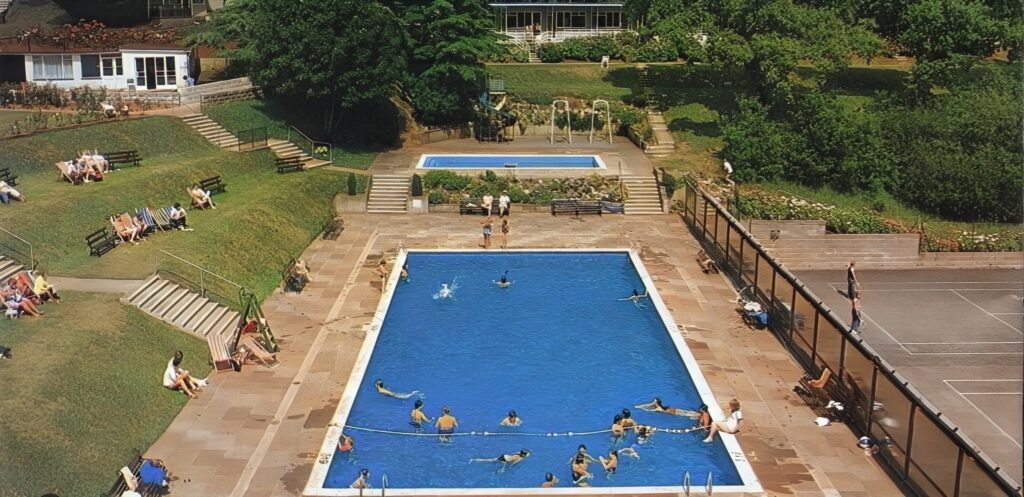
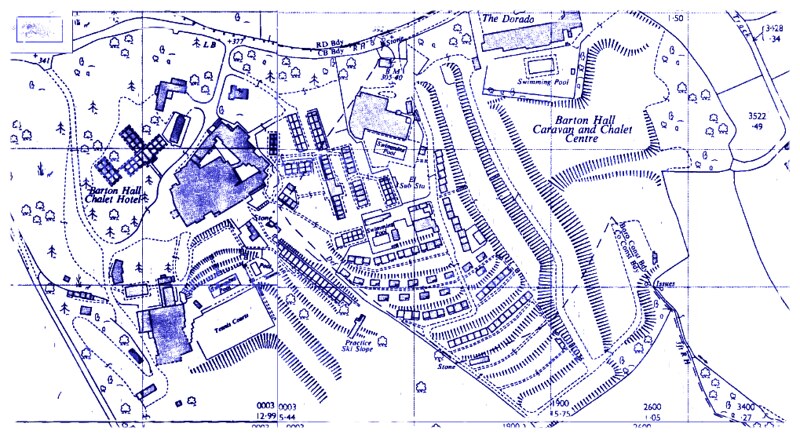
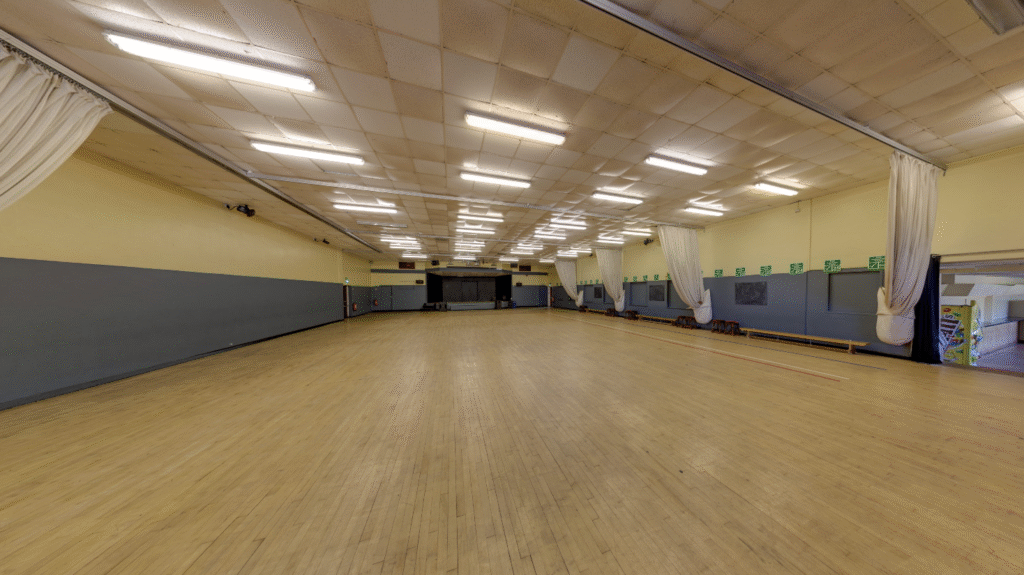
Throughout the 1960s and 1970s, Barton Hall remained the jewel in the Pontins crown, exuding the air of an exclusive country club. Guests could spend their days dancing in one of the two ballrooms, watching films in the cinema, or enjoying the many outdoor pursuits – from the 18-hole putting green and football field to horse riding and the four tennis courts. Indoors, there were rooms for snooker and table tennis.
When Elsie Brown retired in 1979, part of the magic seemed to retire with her. Barton Hall still carried an air of respectability and remained about 20% more expensive than other Pontins camps, but the old sense of occasion began to fade. The days of fine dining and formal service gradually gave way to more familiar Pontins fare, and the once-grand Imperial Suites were eventually converted into family rooms.
Starting in 1988 the camp underwent a 2-year refurbishment where all the chalets were gutted and redecorated, while the public buildings were overhauled.
Elsie Brown died in 1995 aged 79.

A new beginning
Barton Hall closed as a holiday camp at the end of the 2000 season. The following year it reopened under the Superchoice brand as a children’s activity centre – a kind of American-style summer camp. It joined two other former Pontins sites, Little Canada and Osmington Bay, which had already made the same transition. At the time, both Pontins and Superchoice were owned by Scottish & Newcastle. Superchoice was later renamed 3D Education, and in 2015 all three sites were acquired by rival operator PGL.
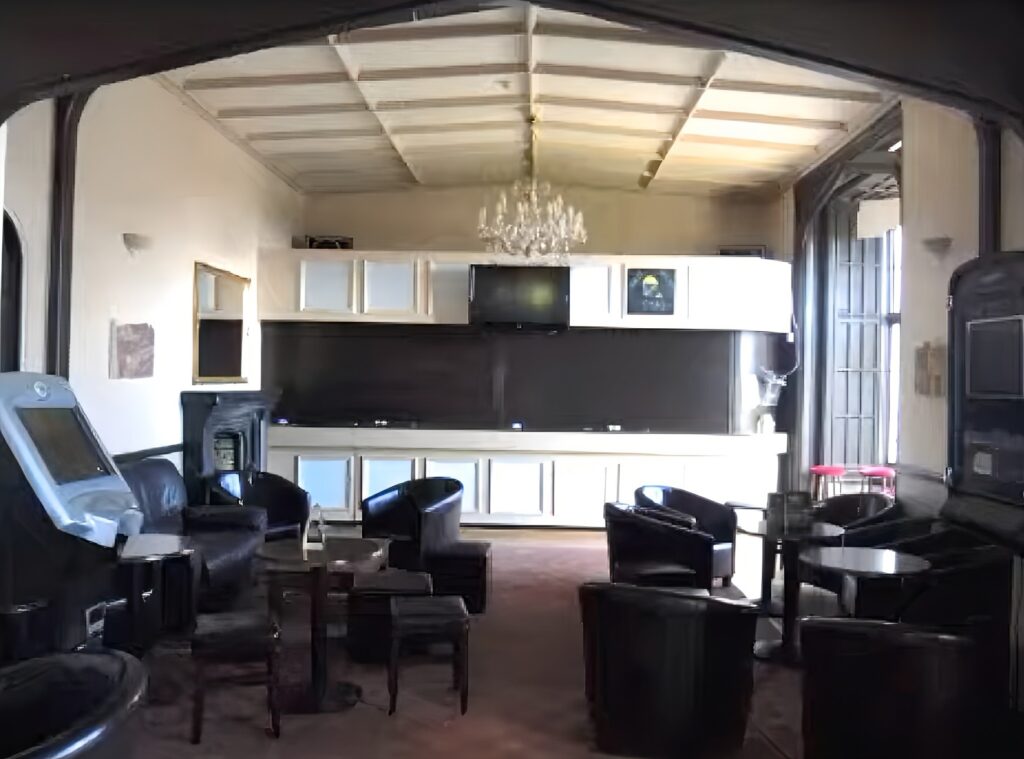
Today, Barton Hall is still owned by PGL and has been extensively refurbished, yet it still looks much the same as it always did. Obviously many of the buildings and amenities have been adapted to suit their new purpose. The once-elegant Imperial suites in the main house are now dormitories filled with bunk beds, each room sleeping up to ten children. The main entertainment building has taken on a new life as a classroom complete with an abseiling wall and archery range. Meals are still served in the same dining hall, and the swimming pool and dry ski slope remain in regular use. Even the 1960s chalets, now smartly refurbished, continue to play their part in Barton Hall’s long story.

We’d love to hear your memories and stories about Barton Hall. Please feel free to leave a comment below.
