The unique Narrower Gauge Railway was the brainchild of Rich Morris and was advertised as Britain’s largest portable railway. Rich was one of the founders of the Gloddfa Ganol narrow gauge railway museum in Blaenau Ffestiniog and served as its full-time custodian. A unique character – very outspoken, wonderfully eccentric, and unmistakably passionate – he became a well-known figure in the British narrow-gauge scene throughout the 1970s and 1980s. He even published his own magazine in the 1970s known as Narrow Gauge Times.
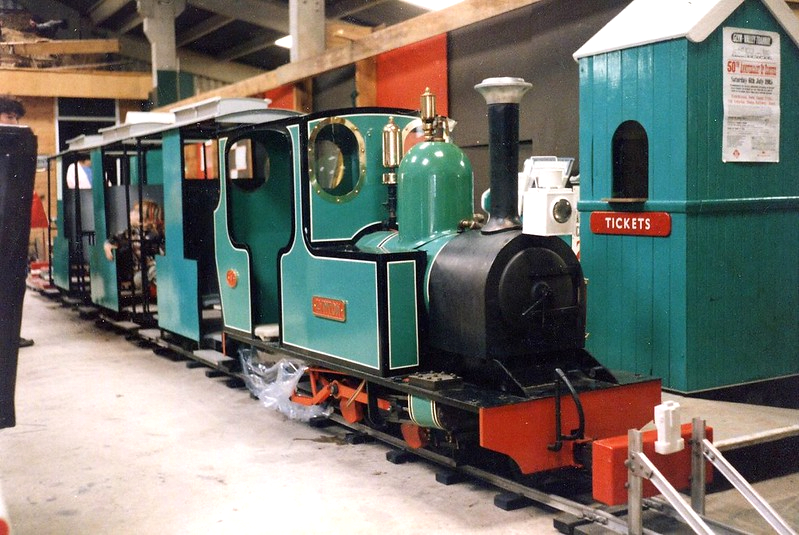
His railway was impressively well equipped, featuring a wooden platform, a working water tank, and a ticket office that issued genuine Edmondson card tickets. The train itself included a guard’s van, buckeye couplers, electric lighting, vacuum brakes, and fully functioning oil lamps – remarkable details for a portable line.
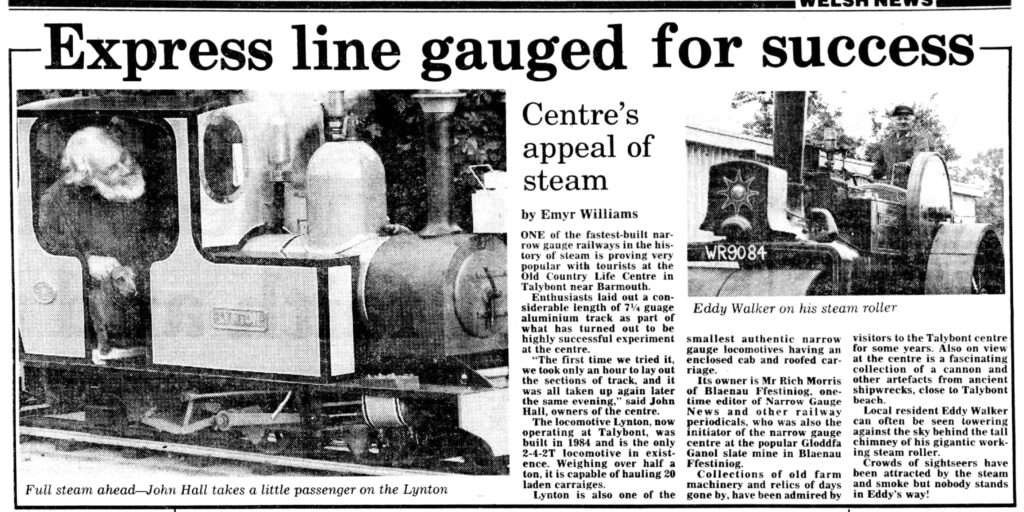
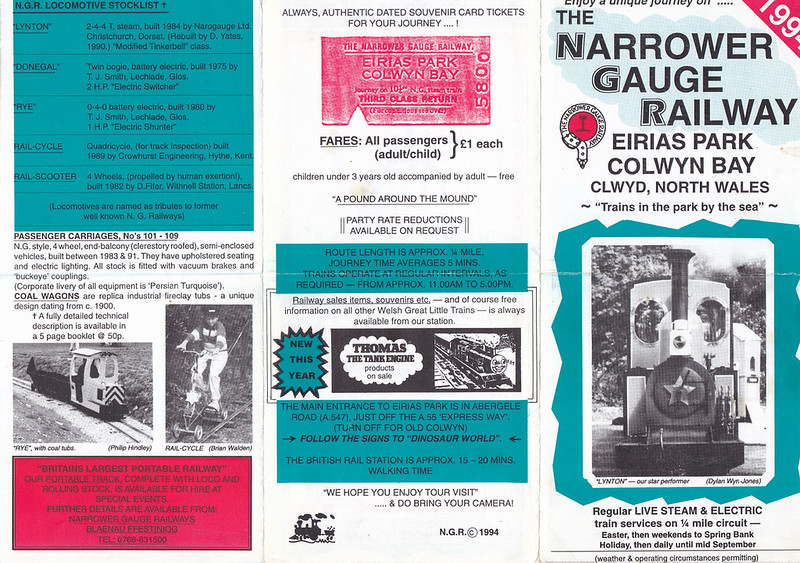
The railway’s main workhorse was Lynton, a 7¼-inch gauge 2-4-2T ‘Tinkerbell’ steam locomotive built by Jim Haylock in 1984. Although Rich was never a fan of scale models, Haylock’s creations were different. They weren’t miniature replicas of full-sized engines, but proper working locomotives built to do a job – solid, capable machines in their own right. Lynton was something of a milestone too, being the first Tinkerbell-type engine constructed with this particular wheel arrangement and the first to feature a coal bunker behind the cab. After a spell running at Tucktonia, it moved on to the Moors Valley Railway in 1985, where it joined the roster as locomotive No. 8.
It was acquired later that year by Rich Morris and spent the rest of 1985 on public display at the Old Country Life Museum in TalyBont, near Barmouth. Rich also acquired three 4-wheel covered coaches from the Ledbury Light Railway. A hand-operated pump car was also acquired, which had been built by Don Fifer in 1982. All rolling stock was painted in the standard ‘Persian Turquoise’ livery.
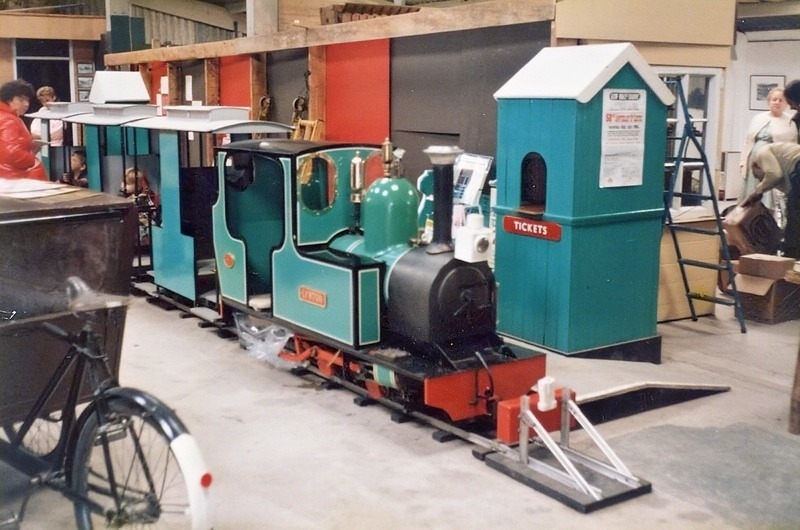
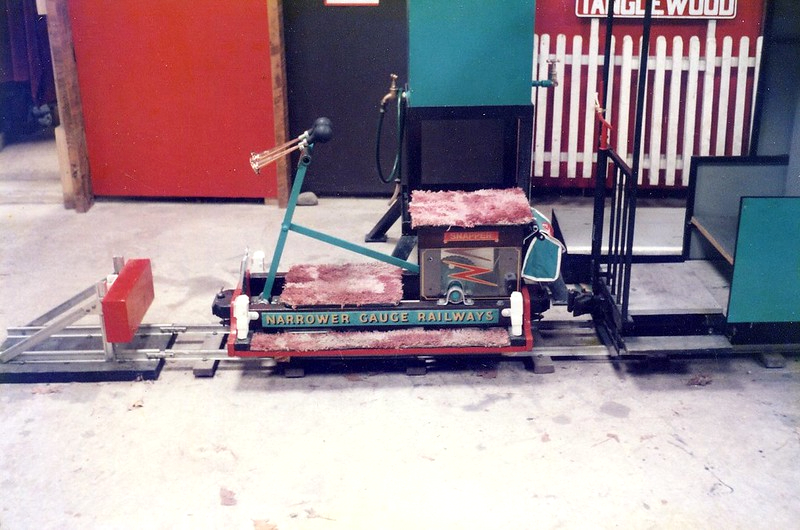
In 1987 Rich acquired the loco and two carriages from the closed Bowleaze Cove Light Railway. The battery-electric loco had been built in 1975 by Tom Smith, and was soon renamed ‘Donegal’. In 1989 another Tom Smith battery loco joined the fleet when ‘Rye’ arrived via the Ledbury Light Railway – it had originally been built in 1980. Also in 1989 a “Rail Cycle’ was built for the line by Tony Crowhurst of Hythe.
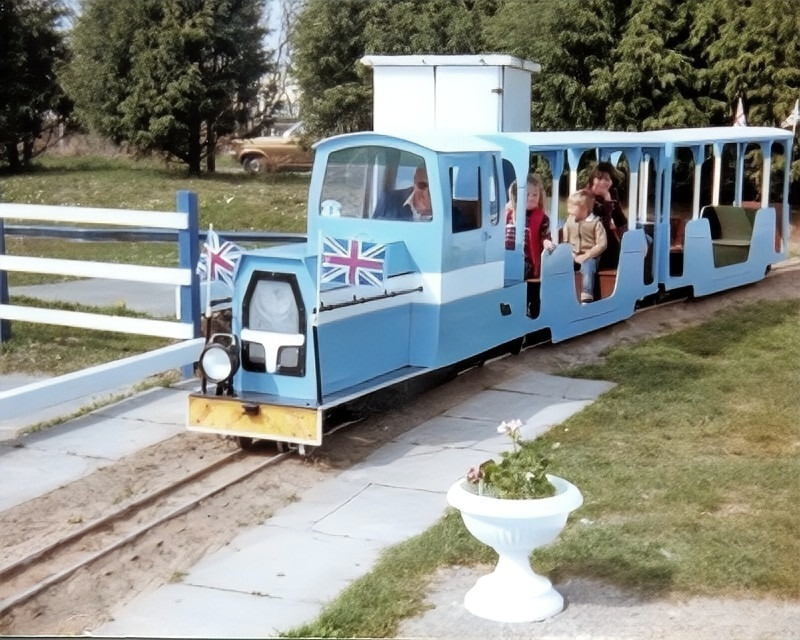
During the late-1980s the railway operated at a number of different locations throughout England and Wales. It held the distinction of operating on the former trackbeds of the Welsh Highland Railway, the Lynton & Barnstaple and the Leek & Manifold. In 1987 Lynton made a brief return visit to the Morrs Valley Railway.
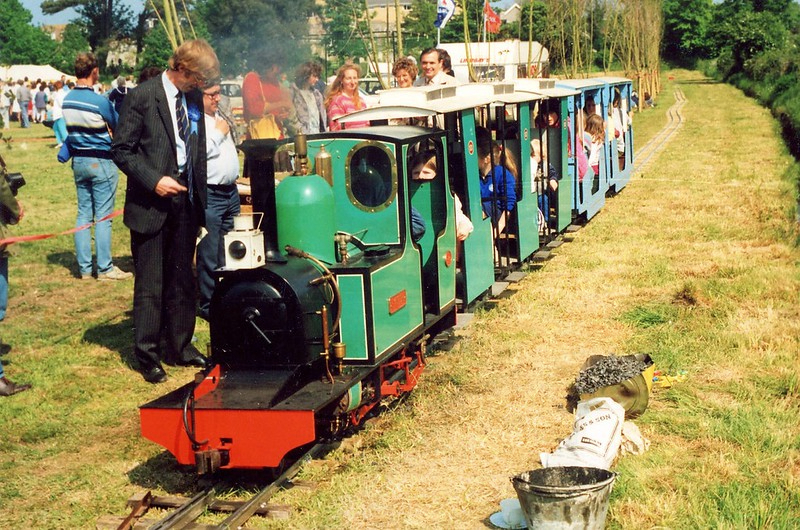
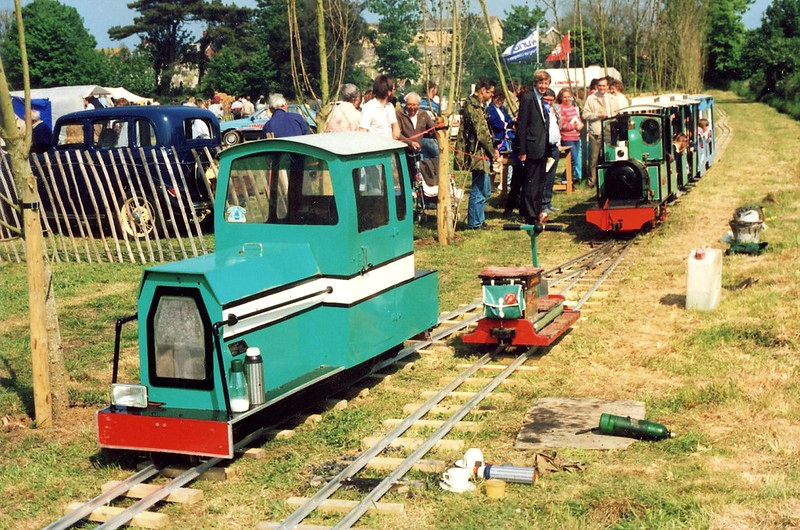
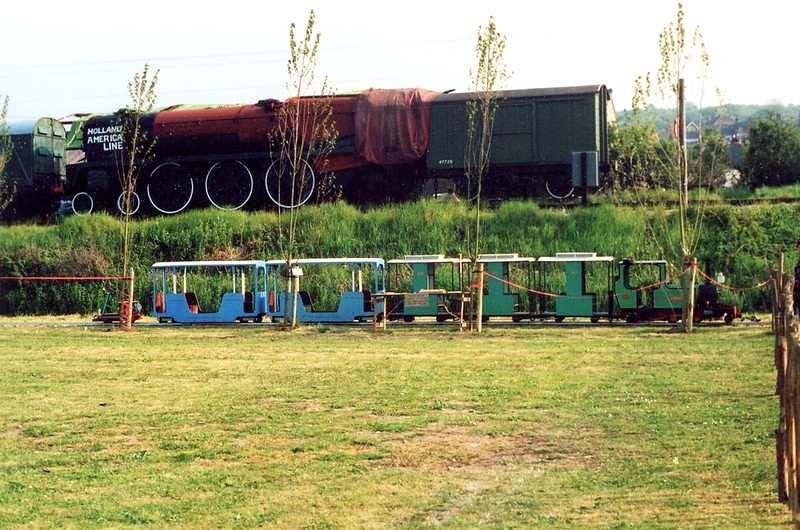
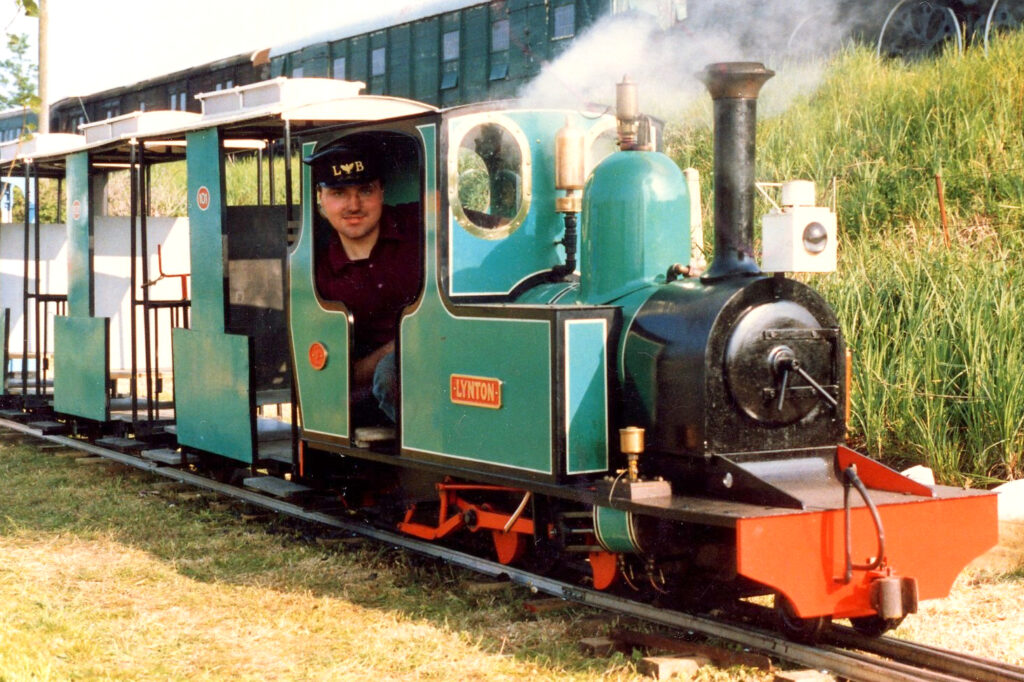
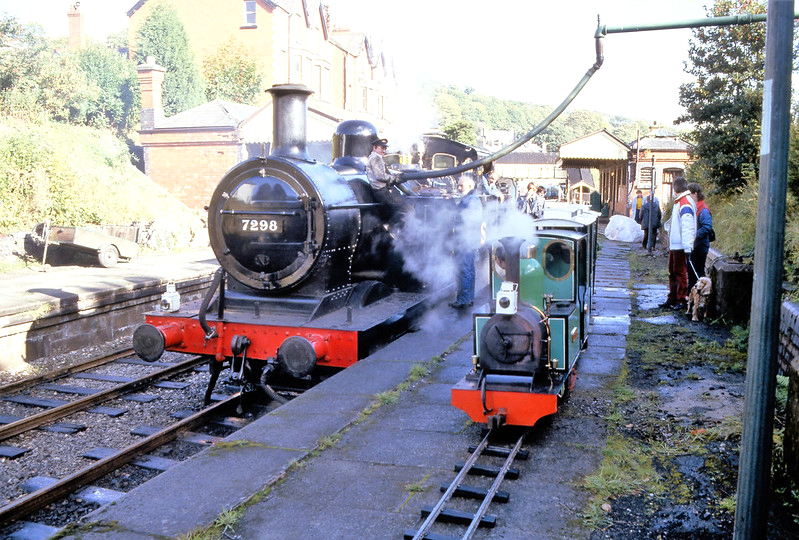
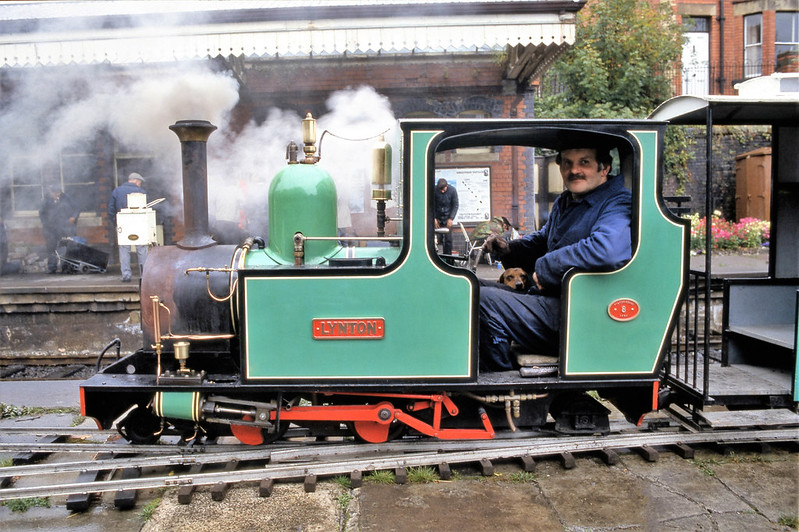
In 1990 the entire railway was regauged to 10 1/4″ to improve stability. At the same time ‘Lynton’ was rebuilt into a 2-4-4T which involved extending the frame and raising the height of the cab and chimney. The work was completed by Dave Yates, a Ffestiniog Railway engineer. Shortly after, three more carriages and a guards van were acquired from the Ledbury Light Railway
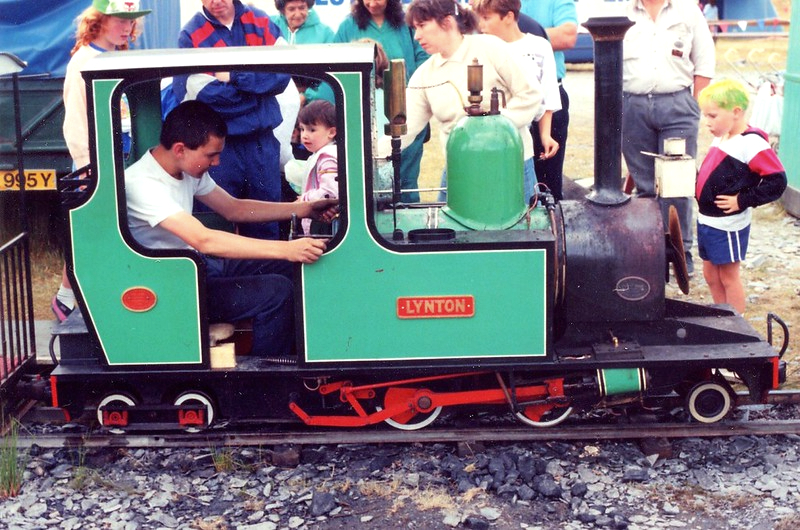
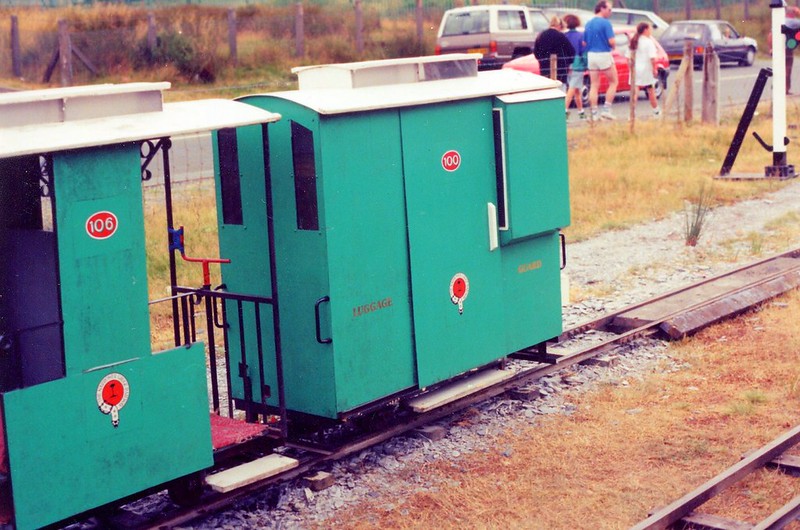
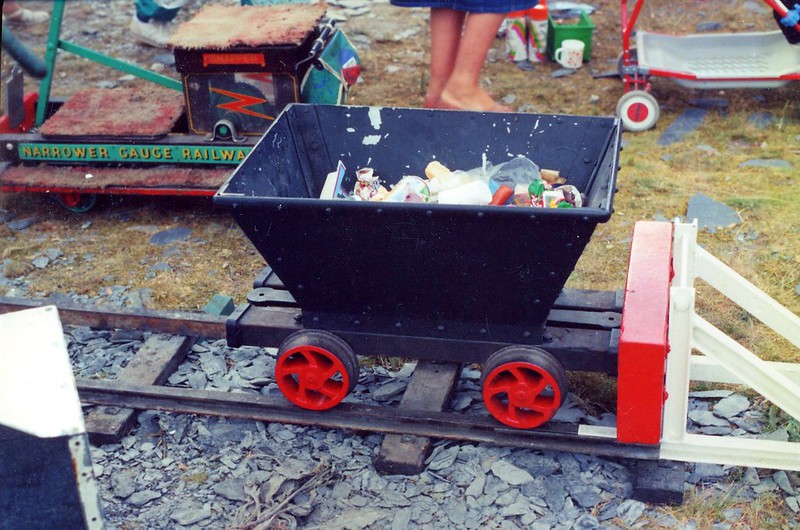
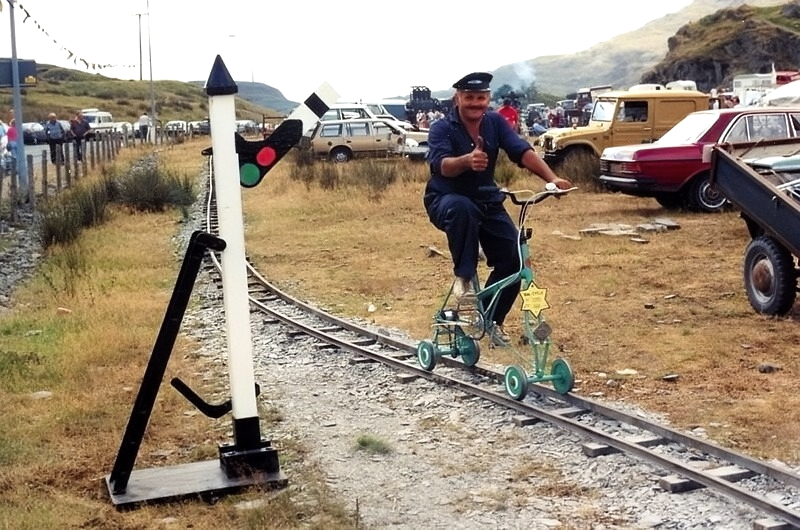
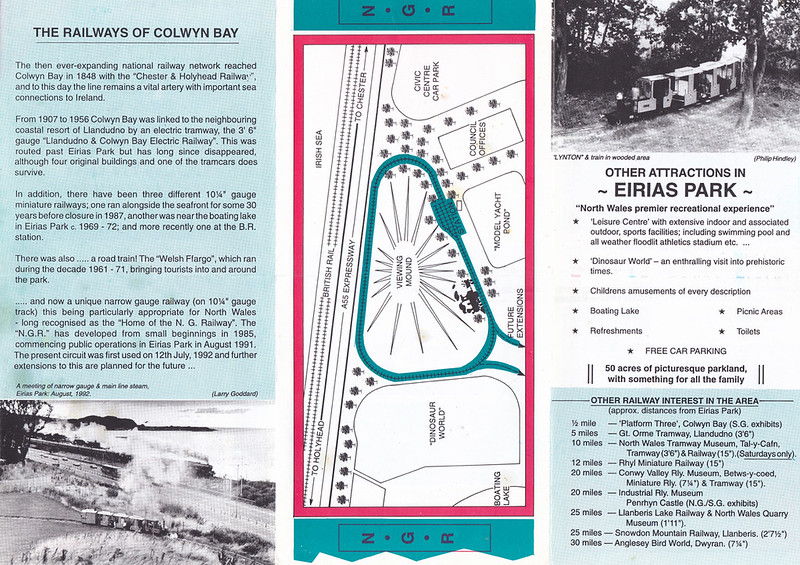
In 1992 a permanent home for the railway was found in Eirias Park in Colwyn Bay. Advertised as “A pound around the mound” this short but scenic 400 yard loop allowed the railway to settle down to daily summer operation.
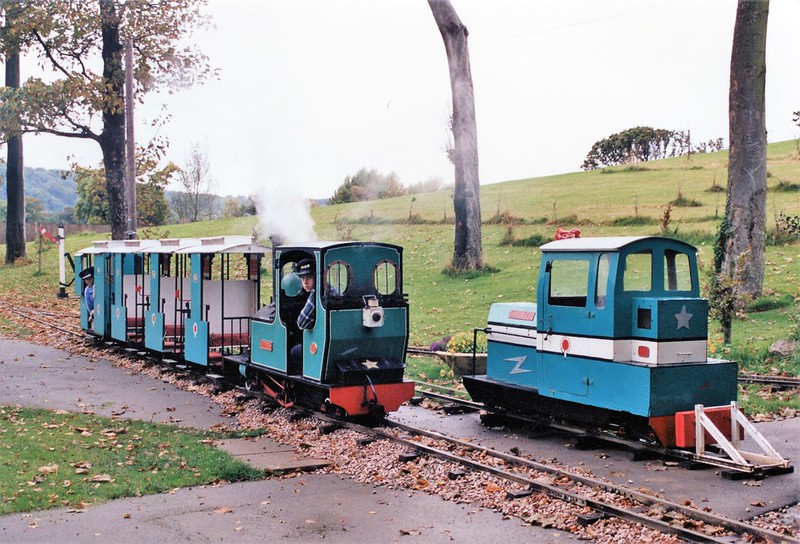
The video below shows the railway operating in Eirias Park in 1993.
This line closed in 1996 but the railway soon found a new permanent home at Gloddfa Ganol Slate Mine in Blaenau Ffestiniog. Unfortunately this was very short-lived and only lasted a year before the entire site was closed to the public. Rich Morris then decided to sell all the equipment, and in typical Rich fashion, he went off and built a portable steam-operated monorail!
Sadly Rich died in 2018 and the railway world lost a wonderfully unique character. The Narrower Gauge Railway was dispersed among several different owners.
We’d love to hear your memories and stories of Rich Morris and his railway. Please feel free to leave a comment below.
