The Black Country firm Joseph Webb & Co was founded during the First World War as a general construction business. Over the following decades, the company steadily expanded into housebuilding, and by 1960 it had completed more than 10,000 homes.
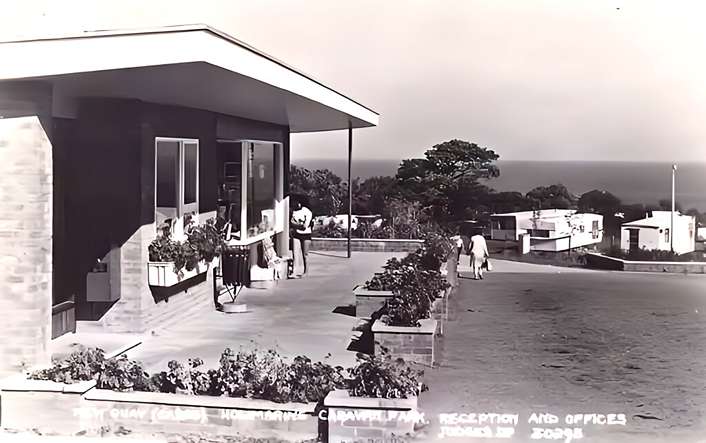
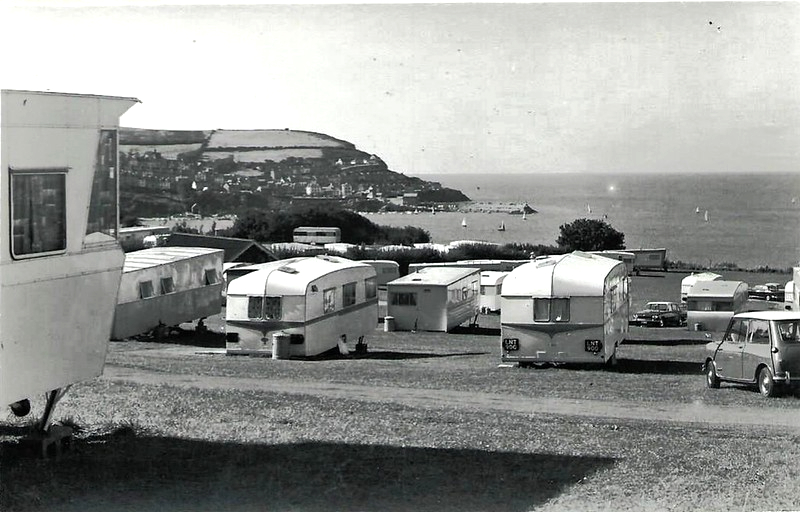
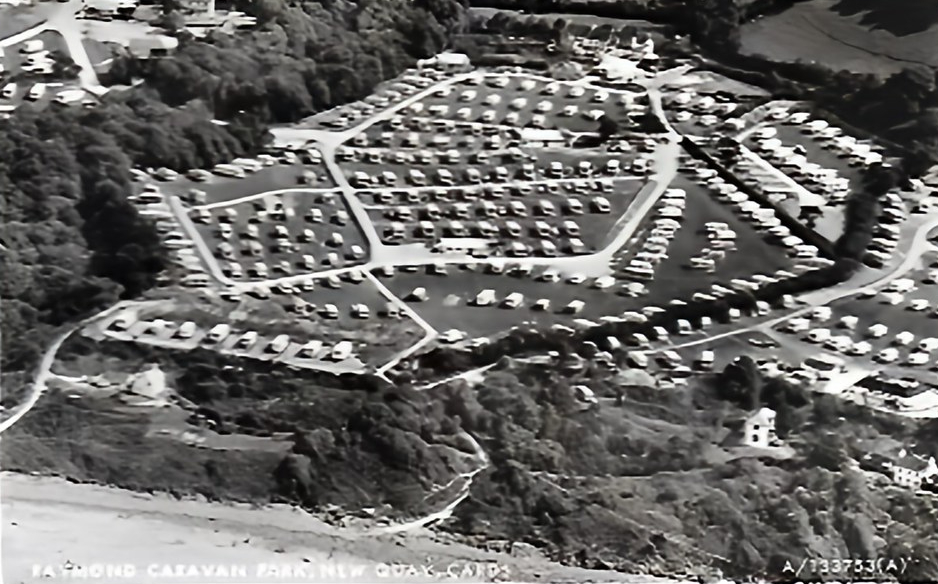
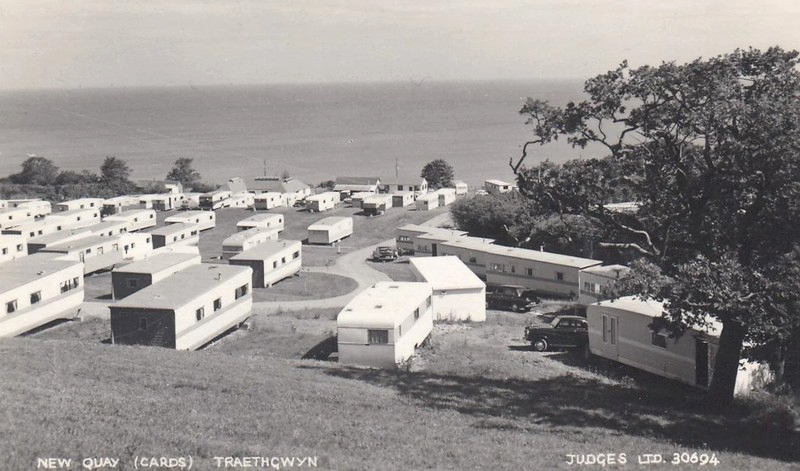
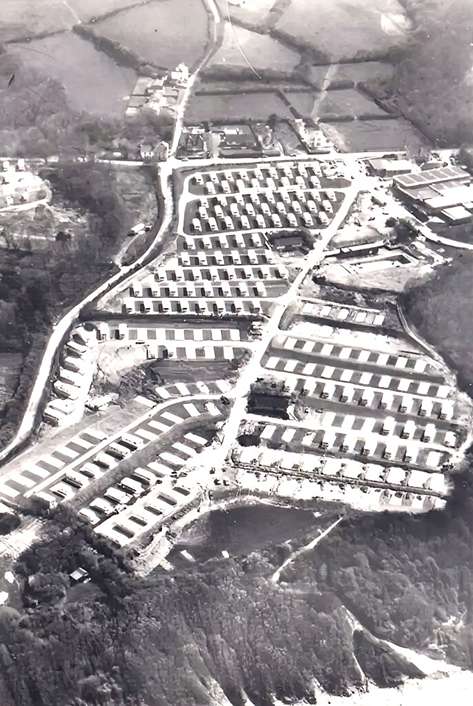
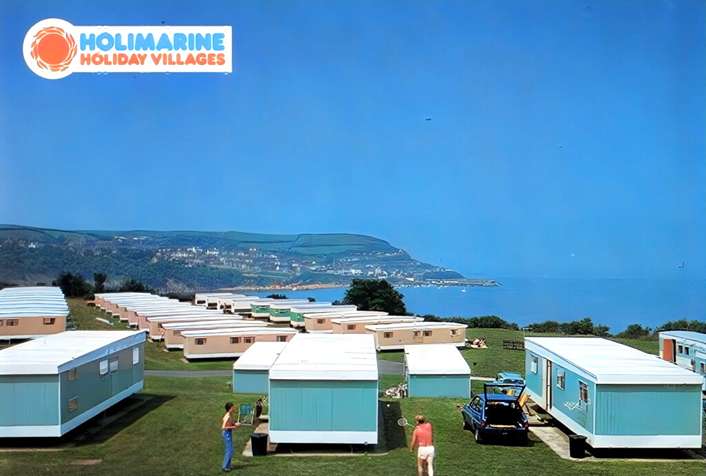
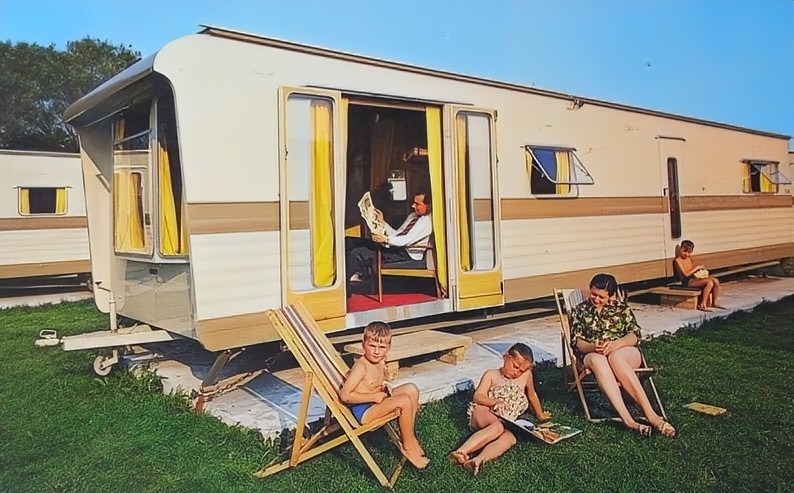
In the late 1950s, Joseph Webb’s son – also named Joseph – took his caravan to Raymond Park in New Quay, Wales, for a family holiday. He enjoyed the experience so much that he decided to purchase the entire site. Under the company’s ownership, the park was modernised with new facilities, improved access roads, and the installation of static caravans. By 1962, the site had grown to 475 permanent caravans, firmly establishing the firm in the holiday park industry. It was around this time that the Holimarine brand was first introduced, marking the beginning of a new chapter in the company’s history.
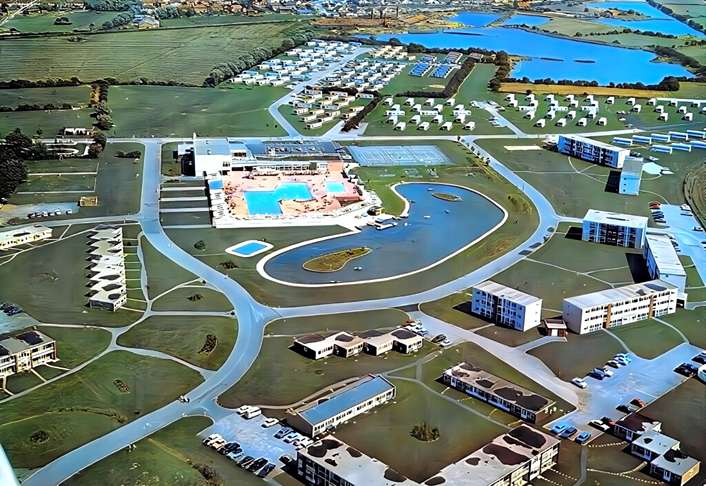
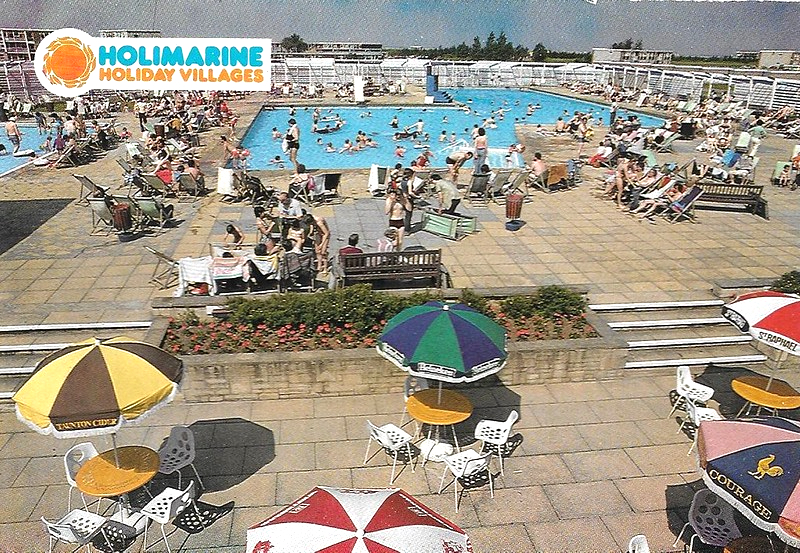
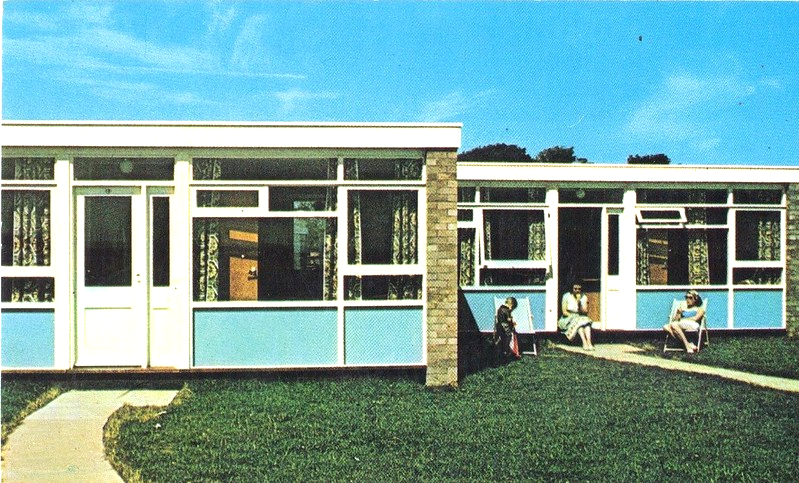
In 1963, Joseph Webb invested £750,000 in the creation of a brand-new self-catering holiday village at Burnham-on-Sea. The ambitious development offered a variety of accommodation, including caravans, brick-built villas, and modern flats – an early example of the mixed lodging style that would later become common in British holiday resorts. Guests enjoyed a wide range of amenities, among them a boating lake, fishing lake, and a large outdoor swimming pool.
Webb described the venture as a holiday park built to his own tastes, telling reporters: “I don’t want to be paraded or organised or persuaded to join in.” His vision reflected a more relaxed and independent style of holidaymaking, one that appealed to the growing number of families seeking freedom and comfort without the formality of the traditional holiday camp.
The firm’s construction roots also played a key role in its success. Joseph Webb & Co was able to design and build much of its own infrastructure, from roads and buildings to entertainment complexes and caravan bases.
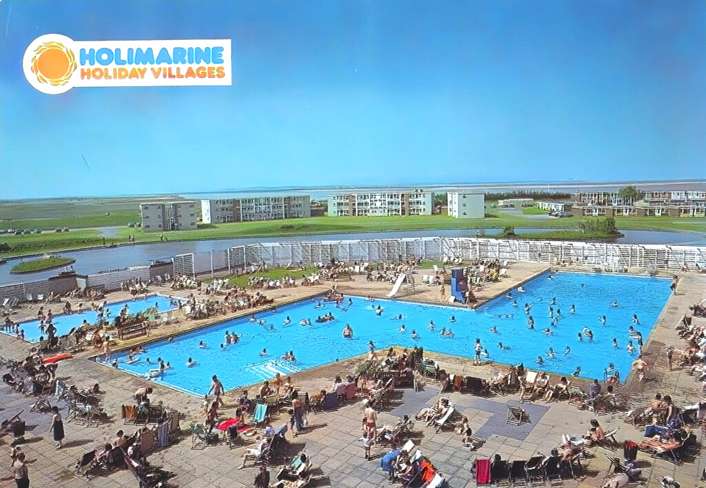
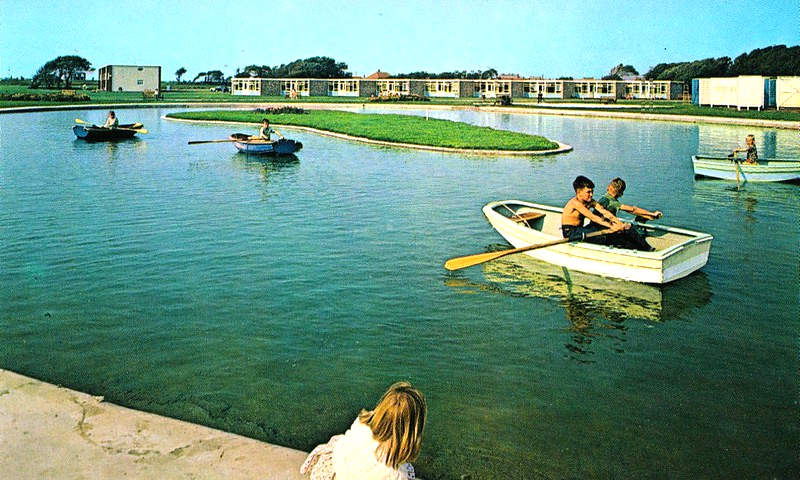
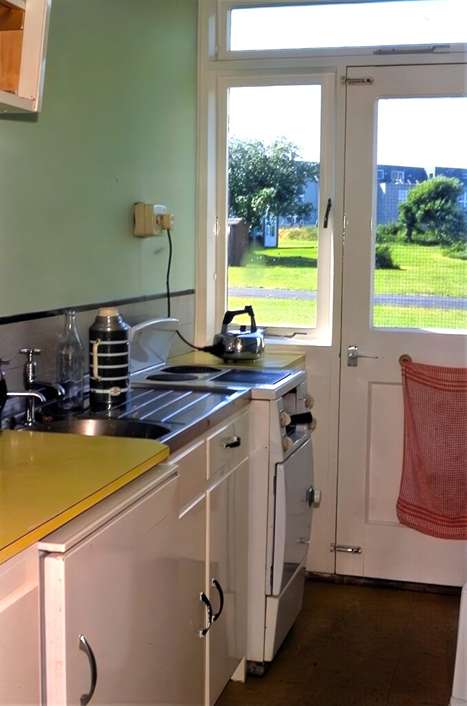
In 1972, Joseph Webb expanded the Holimarine empire by purchasing the run-down Majorca Holiday Park at Hopton, formerly known as the Constitutional Holiday Camp. He also acquired the neighbouring Speedwell Caravan Site, and together they were completely redeveloped and merged into a single, modern holiday complex. The result was Holimarine Hopton, a flagship park that embodied the company’s emphasis on comfort, style, and high-quality facilities. With its landscaped grounds, entertainment centre, and updated accommodation, Holimarine Hopton became a showcase for Webb’s vision of the modern British seaside holiday.
By the end of the decade, Holimarine had firmly established itself as a trusted name in the post-war British holiday industry-an enterprise that had grown from one family’s seaside holiday into a nationwide leisure brand.
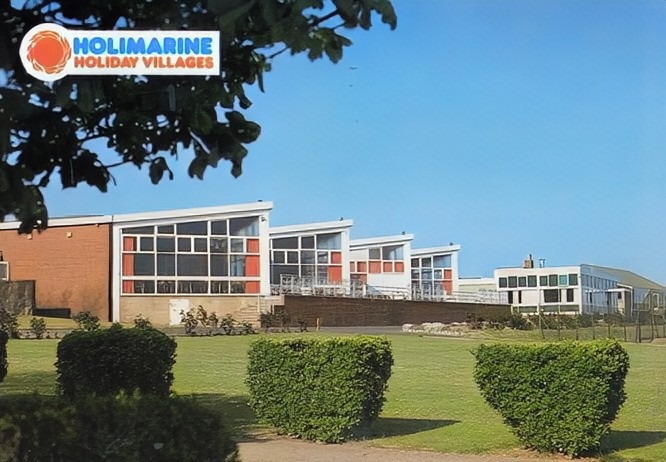
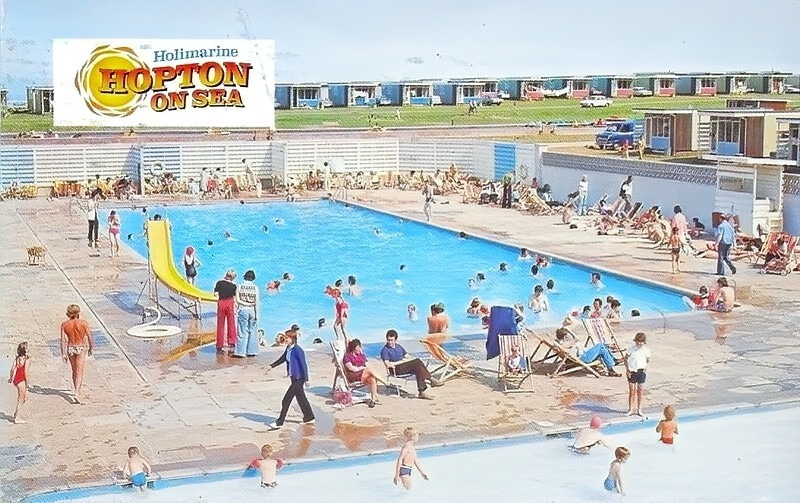
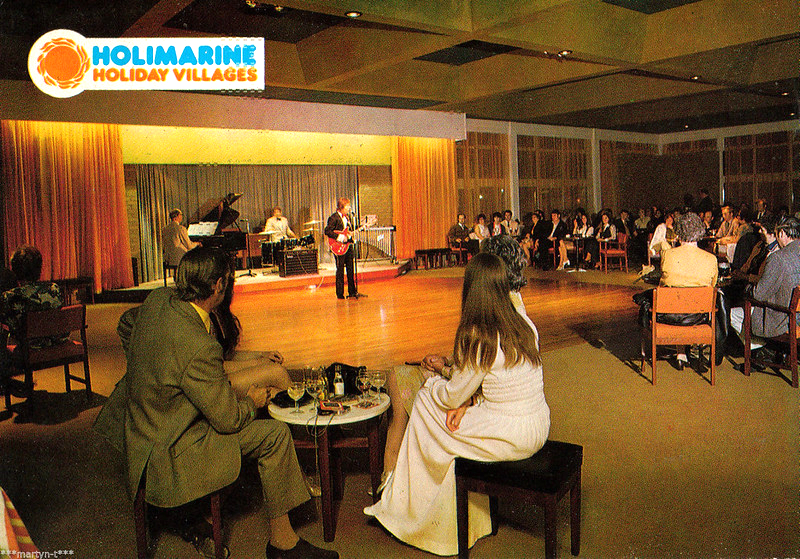
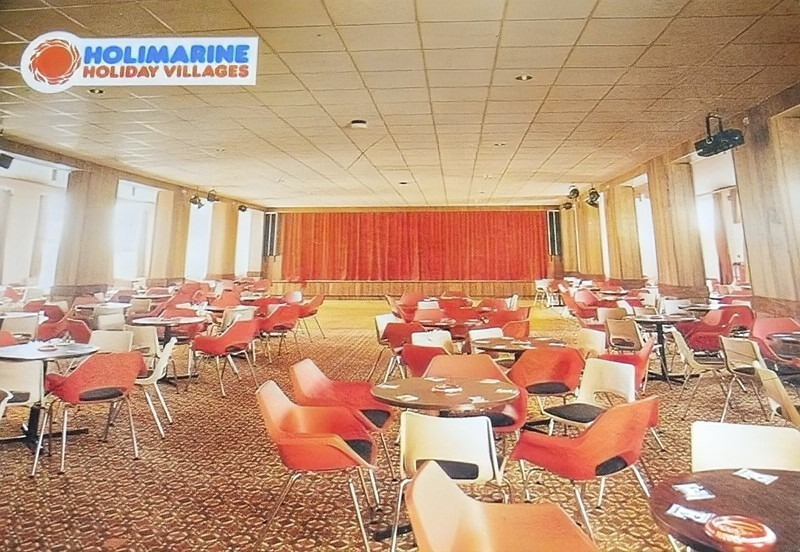
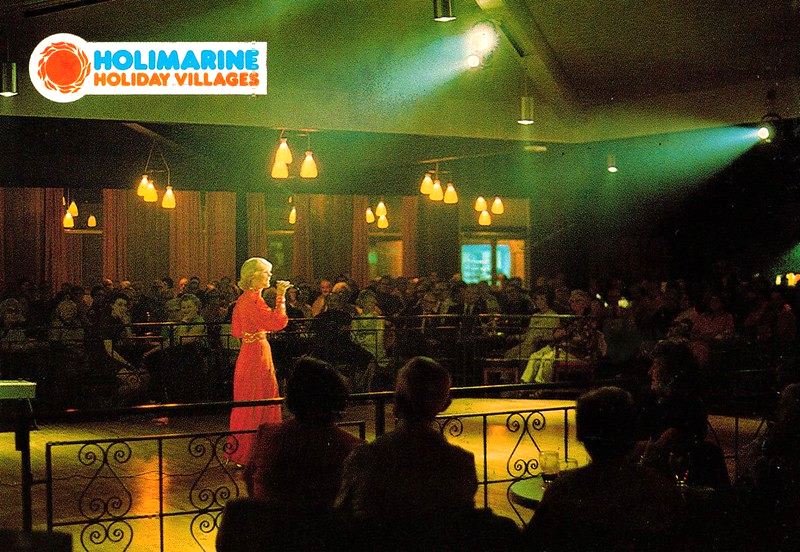
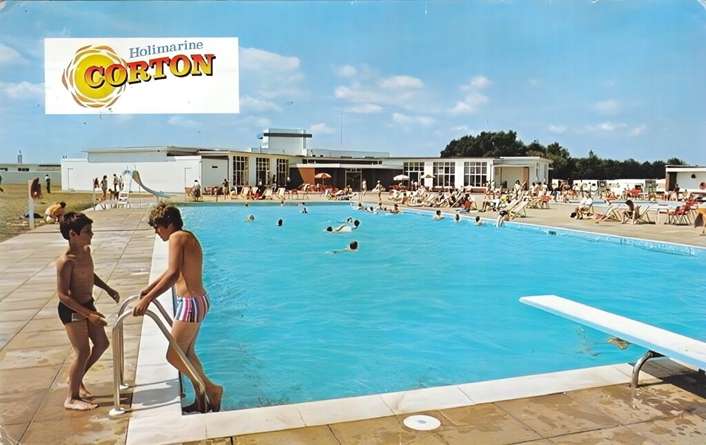
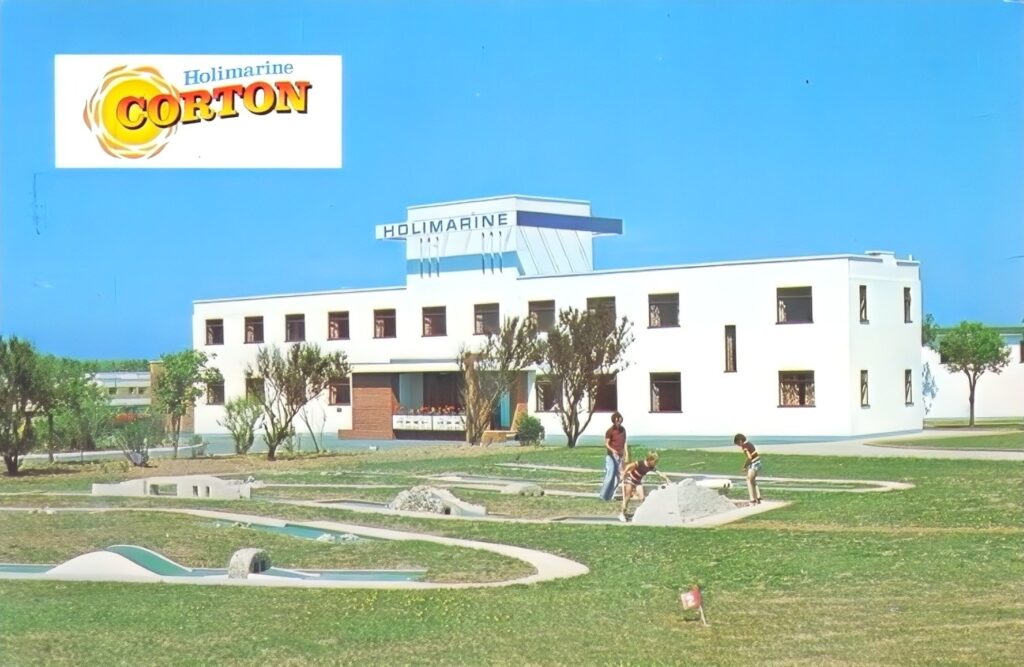
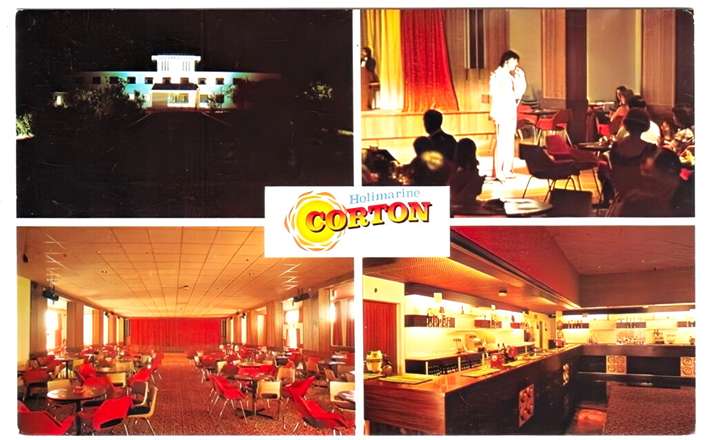
In 1973 they acquired the closed Rogerson Hall holiday camp in Corton and extensively rebuilt it with 205 new caravans and a swimming pool. It reopened as Holimarine Corton in 1976.
In 1977, Joseph Webb strengthened Holimarine’s presence in New Quay with the purchase of two additional caravan parks from Midlands businessman Don Everall. One of these, Traethgwyn, was located directly beside Holimarine’s existing park, while the smaller Cei Bach site lay on the opposite side of the town. Although both parks were now under the same ownership, they continued to operate as separate sites, each retaining its own character and loyal following.
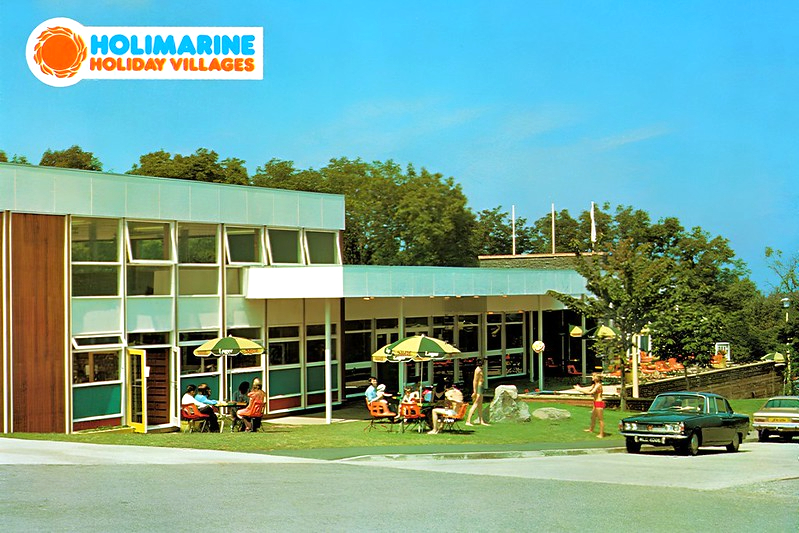
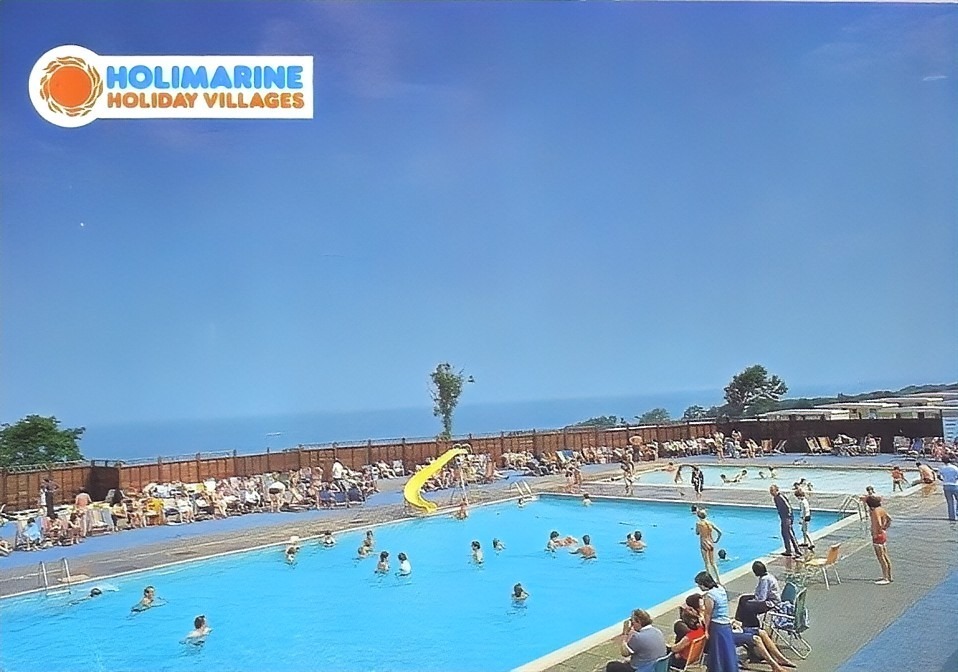
Over the next two years, Joseph Webb continued to expand the business by acquiring a string of smaller caravan parks in Dawlish, Looe, Brixham, Tenby, and Paignton. These sites were marketed under the Parkland Holidays name, allowing the company to cater to a broader range of customers while maintaining the Holimarine brand for its larger, flagship resorts.
By 1980, Holimarine had moved beyond the British market, opening two luxury holiday resorts on the Côte d’Azur in the south of France = an ambitious step that reflected Webb’s confidence in the growing European leisure industry.
In 1987, the company sold its prestigious Holimarine Hopton park to Bourne Leisure, who later rebranded the site as a Haven Holiday Park. Two years later, in 1989, the entire Joseph Webb company was sold to the Mowat Group for £18 million, a deal that included all of the company’s UK and overseas holiday parks.
Mowat persuaded Alen Warner, the former managing director of Warners Holiday Camps, to come out of retirement and take charge of the operation. Under his leadership, the business entered another period of expansion. In 1990, the company purchased Landscove Holiday Park in Brixham for £2.8 million, followed by the acquisition of Beacholme Holiday Park in Cleethorpes in February 1992.
Although the Holimarine parks remained profitable, the Mowat Group soon encountered serious financial difficulties. In August 1992, the company collapsed into receivership after sustaining losses of around £50 million in its property portfolio. As a result, all of the Holimarine holiday parks were placed on the market by the receivers.
In December 1992, four of the parks – Burnham, Brixham, Teignmouth, and Corton – were acquired by David Hardick of Wilson Leisure, owners of the nearby Lakeside Holiday Park in Burnham-on-Sea. Wilson Leisure also purchased the rights to the Holimarine name, allowing these sites to reopen for the 1993 season under the familiar brand. Other parks were sold to various operators: Beacholme was acquired by Deenside Leisure of Middlesex, while the New Quay parks were taken over by Bourne Leisure.
By the end of 1995, most of the Wilson Leisure parks had changed hands once again, and the Holimarine name quietly disappeared from the British holiday scene. Bourne Leisure acquired the Burnham park.
Today, the former Holimarine sites at Burnham-on-Sea, New Quay, and Hopton continue to operate as Haven Holiday Parks, while the Corton park remains open as Broadland Sands Holiday Village, now owned by Park Holidays. Though the Holimarine name has vanished, its legacy endures in the parks that once bore it.
We’d love to hear your stories and memories of Holimarine. Please feel free to leave a comment below.

This was my Dad Joseph Webb a very clever man and was ahead of his time. I remember the caravan we had our holidays in on Raymond Caravan Park and Dad buying the site and him getting excited when a new caravan arrived! Lovely treasured memories.
Thanks for the reply Christine. I hope I’ve got the Holimarine history correct. Please let me know if there’s any mistakes. Many thanks